
Landscaping longevity depends on far more than plant selection or surface aesthetics. The quality of the soil beneath a landscape determines how well it performs over years and decades. Seasonal precipitation, and variable soil compositions create demanding conditions, proper soil management forms the foundation of any successful outdoor project. Homeowners and property developers who invest in quality soil protect their landscapes from premature failure, erosion, and costly remediation work.
Understanding the relationship between soil health and landscaping longevity helps property owners make smarter decisions. From proper grading and drainage to organic content and compaction control, soil quality touches every aspect of how a landscape holds up.
Why Soil Quality Determines Landscaping Longevity in Ontario
Ontario’s climate places significant stress on outdoor landscapes. Summer heat, heavy rainfall, and deep winter frost all interact with soil in ways that either support or undermine surface stability. Poor soil quality accelerates erosion, interrupts drainage, and prevents root systems from establishing depth and strength.
Landscaping longevity begins at the soil level because plants and groundcover depend entirely on what lies beneath them. Compacted soil restricts root penetration, limits water absorption, and creates surface runoff that strips topsoil over time. Well-structured soil with balanced drainage properties allows roots to anchor deeply, supports moisture retention, and resists heaving.
According to Ontario’s soil and crop improvement research, soil health directly influences drainage performance, erosion resistance, and the long-term viability of vegetation on any given site. These principles extend naturally from agricultural contexts into residential and commercial landscaping applications throughout the province.
The Role of Excavation and Site Preparation
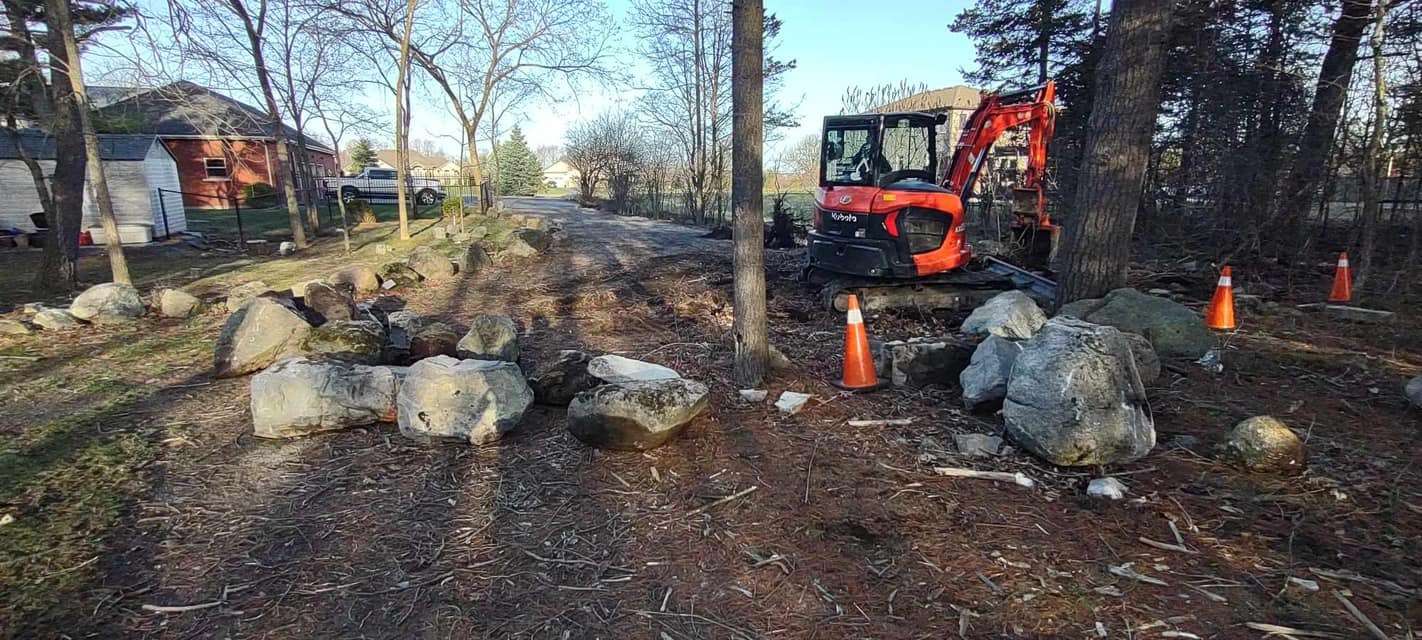
Achieving true landscaping longevity requires addressing soil conditions before any surface work begins. Excavation and site preparation establish the structural foundation that everything else builds upon. Removing unsuitable material, correcting grade slopes, and introducing quality topsoil transforms a problematic site into one that supports lasting results.
Proper site grading directs surface water away from structures, driveways, and planting beds. When water pools or channels incorrectly across a property, it saturates soil unevenly, promotes root rot, and accelerates surface wear. Experienced excavation professionals assess natural drainage patterns and shape the terrain accordingly. This ensures water moves efficiently without creating erosion channels or low-lying wet zones that compromise plant health and structural stability.
Soil compaction during the excavation process also matters significantly. Over-compaction during grading or machinery use can damage the soil structure that healthy landscapes depend on. Skilled contractors balance equipment use with compaction management to preserve natural soil porosity while still achieving the stability grades that landscaping projects require.
Topsoil Depth and Organic Content
Landscaping longevity relies heavily on adequate topsoil depth and organic matter content. Topsoil supports the microbial activity, nutrient cycling, and moisture regulation that plant roots depend on throughout the growing season. In Ontario, many properties stripped of natural topsoil during construction receive insufficient replacement material, which limits how well any planted surface can establish itself.
A minimum topsoil depth of 150 to 300 millimetres is generally recommended for lawn and planting bed applications. Properties that receive inadequate topsoil replacement after site disturbance often experience thin turf, poor plant establishment, and accelerated erosion. This undermines landscaping longevity regardless of the quality of species selected.
Organic matter within the topsoil layer supports water retention, improves soil structure, and feeds biological activity that makes soil productive. Incorporating compost or other organic amendments into compacted or depleted soils improves their physical characteristics. Completed site preparation and grading projects across Ontario demonstrate how targeted soil improvement at the foundation level consistently translates into stronger, more durable landscape outcomes.
Drainage Infrastructure and Landscaping Longevity
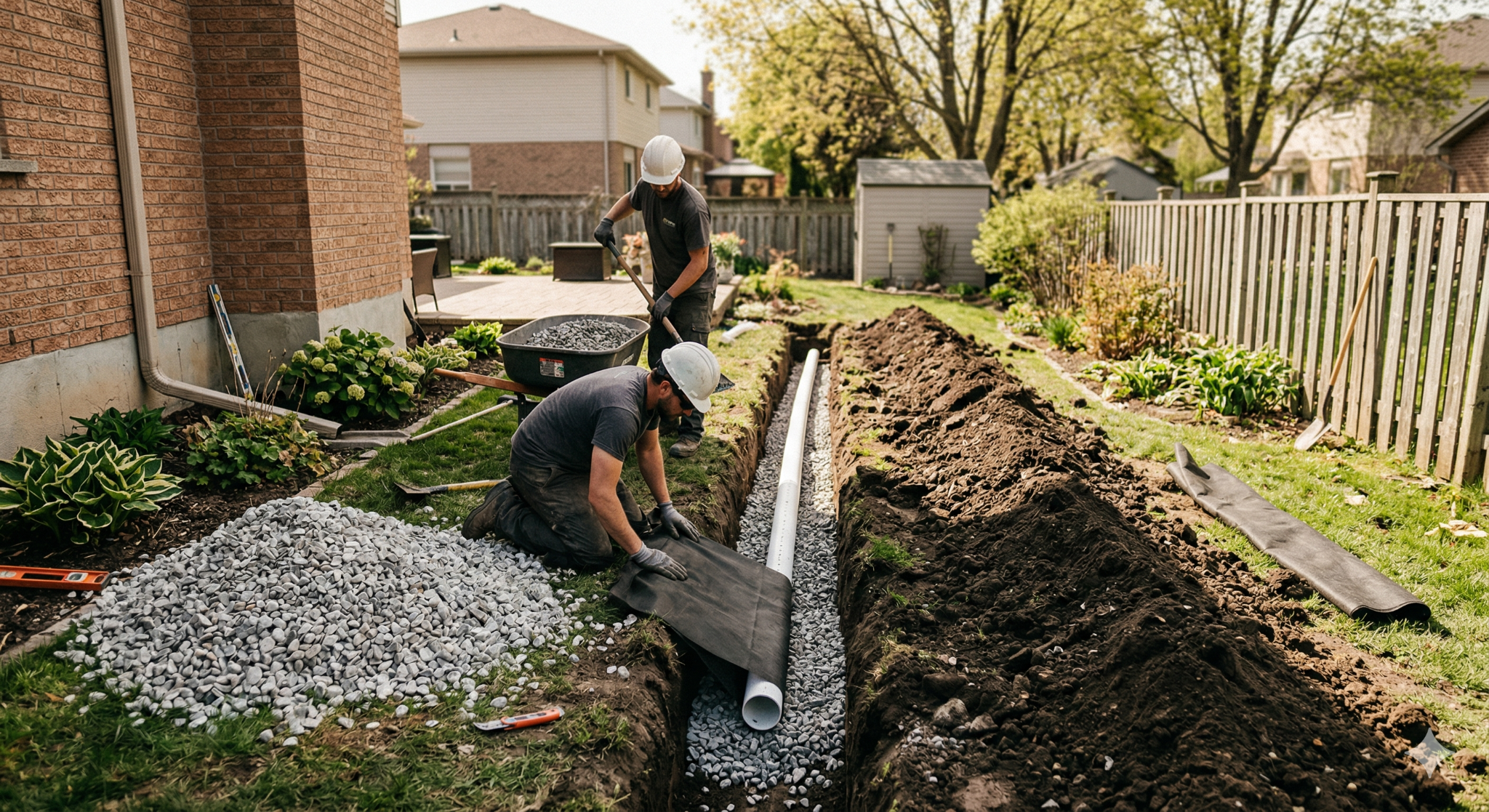
Excess moisture represents one of the most damaging threats to landscaping longevity in Ontario. When soil retains water beyond what plants can absorb or drainage systems can remove, root health deteriorates, soil structure breaks down, and surface materials shift or heave during freeze-thaw events. Building proper drainage infrastructure into a landscape design prevents these outcomes before they develop.
French drains, swales, and subsurface drainage systems redirect water away from planting zones and foundations while maintaining healthy soil moisture levels. These systems work best when installed in coordination with accurate grading and knowledge of local soil permeability. Clay-heavy soils common in parts of Ontario drain poorly on their own, making engineered drainage solutions particularly valuable in those areas.
Surface drainage that functions correctly during spring snowmelt and heavy summer rains reduces the erosion risk that shortened so many landscape lifespans. When slopes are properly graded and drainage channels are correctly positioned, water moves through the property without stripping topsoil or undermining the structural base of patios, retaining walls, and planted areas.
Freeze-Thaw Cycles and Soil Stability
Ontario winters subject soil to repeated freeze-thaw cycles that can shift, heave, and crack even well-installed landscape features. Landscaping longevity depends on preparing soil in ways that minimise the damage these cycles cause. Frost penetration depth, soil drainage quality, and moisture content at freeze time all influence how much movement occurs beneath the surface.
Soils with high clay content retain moisture and expand more dramatically during freezing than sandy or loam soils. This expansion exerts pressure on retaining walls, interlock pavers, steps, and edging, gradually displacing components that were precisely installed. Improving drainage and reducing water saturation before freeze-up protects landscape installations from this seasonal stress.
Proper soil selection and preparation during the installation phase significantly reduces frost heave risk. Using granular base materials beneath hard landscape elements, ensuring adequate drainage beneath planted areas, and grading away from structures all contribute to soil stability throughout Ontario’s winters.
Long-Term Soil Management Practices
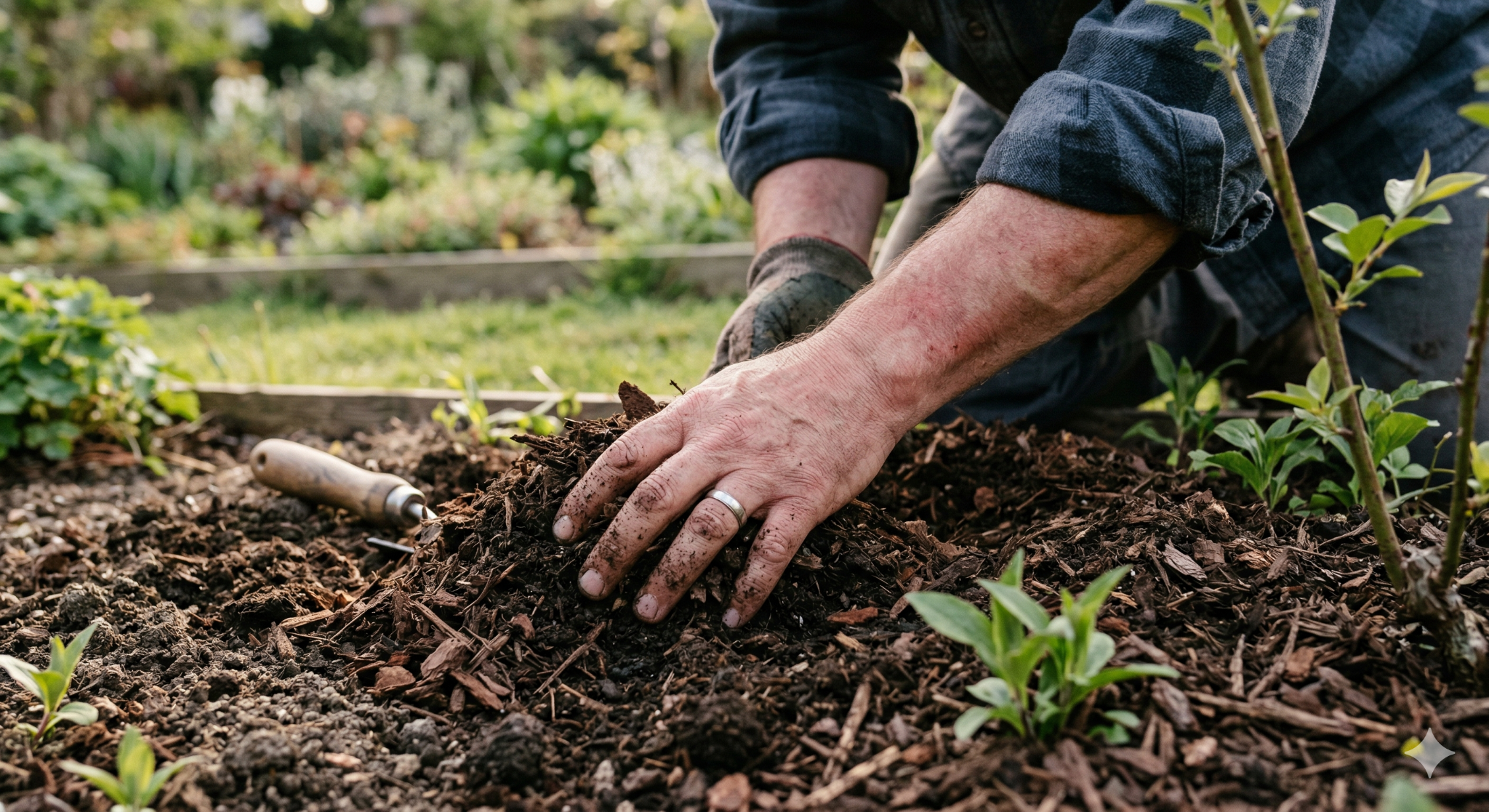
Maintaining landscaping longevity over time requires ongoing attention to soil health, not just careful preparation at installation. Compaction from foot traffic, vehicle access, and seasonal use gradually reduces soil porosity and limits drainage efficiency. Aerating lawn areas, topdressing with organic material, and managing surface runoff all preserve the soil conditions that healthy landscapes depend on.
Erosion control measures such as ground cover planting, mulching, and retaining structures help maintain topsoil depth over the long term. In Ontario, spring snowmelt and summer rainfall events can strip exposed soil surfaces quickly, particularly on slopes or areas with sparse vegetation. Addressing bare soil zones promptly prevents cumulative topsoil loss that reduces landscaping longevity season after season.
Property owners should also monitor how irrigation and drainage systems interact with soil moisture levels throughout the growing season. Overwatering saturates soil, compresses its structure over time, and creates conditions that invite disease and root problems. Balanced moisture management supports both plant health and the physical integrity of the soil profile that makes landscaping longevity possible.
Soil Quality and Property Value
A landscape that performs well and ages gracefully contributes meaningfully to property value in Ontario’s competitive real estate market. Buyers and appraisers recognise the difference between a landscape that has established itself over years of stable growth and one that shows signs of drainage failure, poor establishment, or surface erosion. The foundation of that visible quality lies in the soil work completed long before planting began.
Properties where excavation and site preparation addressed soil quality properly show fewer signs of settling, drainage issues, or plant failure over time. This translates directly into reduced maintenance costs, better visual appeal, and stronger overall property performance. Consulting M. Riddle Excavating’s services early in a landscaping project ensures that grading, drainage, and soil preparation decisions support long-term results rather than creating problems that compound over time.
Get a Free Quote on Topsoil and Gravel
Get a free quote today. Call M. Riddle Excavating at 613-545-7955 or request a free quote online. Learn more about our topsoil delivery across the Kingston area.