
Whether you’re driving down a quiet rural lane or a freshly maintained gravel road, you’re benefitting from engineering that’s as old as roadbuilding itself – crowning and grading. These two techniques may sound simple, but together they form the foundation of every durable, weather-resistant roadway.
Without proper crowning and grading, roads can deteriorate quickly. Rainwater collects in ruts, traffic creates uneven wear, and what was once a smooth surface becomes a costly, muddy mess. The science behind these methods ensures roads remain safe, stable, and functional – no matter how harsh the conditions.
In this article, we’ll explore what crowning and grading really mean, why they matter, and how the right maintenance strategy protects roads for the long term.

Understanding the Basics: What Is Crowning and Grading?
To understand road durability, it’s important to first grasp these two essential terms:
- Crowning refers to the slightly raised shape in the center of a road surface, sloping gently toward both sides. This subtle arch helps water drain away from the road’s centerline rather than pooling on top.
- Grading is the process of shaping and leveling the road surface using heavy equipment like graders. It corrects irregularities, redistributes materials, and ensures the road’s slope (or grade) maintains proper drainage and support.
Together, these techniques balance two critical goals – smoothness and stability. A well-graded road provides a comfortable, even driving surface, while proper crowning ensures rainwater quickly sheds off, protecting the road base from erosion and structural failure.
The Science Behind Crowning
Crowning isn’t just about shaping the road for looks – it’s pure physics and water management. When rain hits a road surface, gravity pulls the water downhill. If the surface is flat or uneven, the water can’t escape efficiently, seeping into the roadbed or forming puddles that weaken the structure.
A crowned road, however, creates a natural pathway for water to flow away. The typical crown height is about ½ inch per foot of width, meaning a 20-foot-wide gravel road might have a center rise of about 5 inches. This small difference makes a big impact on drainage.
The angle of the crown must be carefully calculated. Too flat, and water lingers; too steep, and traffic begins to push material from the center toward the edges, creating ruts and uneven wear. The optimal slope depends on the type of material used – gravel, asphalt, or composite – as well as local climate and traffic conditions.
When engineers design road crowns, they consider:
- Soil permeability: Some soils drain faster than others. Clay-rich bases, for instance, require steeper crowns to prevent saturation.
- Traffic type: Heavier or slower-moving vehicles tend to deform softer materials, so crowning must accommodate compaction over time.
- Precipitation levels: Areas with heavy rainfall benefit from more pronounced crowns to manage runoff.
In short, crowning is a delicate balance between physics, geography, and material science – all working to keep roads dry, strong, and reliable.
The Role of Grading in Road Durability
Grading typically involves using a motor grader – a large machine equipped with an adjustable blade that scrapes, moves, and reshapes material along the surface. Skilled operators use the grader to reestablish the road’s crown and eliminate ruts, potholes, or wash boarding that can develop over time.
From a scientific standpoint, grading is all about redistributing load and restoring geometry. As vehicles pass over a road, they compact and displace surface materials. Over time, fine particles migrate, leading to soft spots, depressions, and erosion. Grading reverses this process by:
- Reworking surface material to fill low spots and restore even compaction.
- Reshaping the crown to ensure consistent water flow off the surface.
- Rebalancing the grade line, or longitudinal slope, so water flows alongside the road instead of across it.
The timing of grading is just as important as the technique. Ideally, grading should be done when the road has enough moisture to hold its shape but isn’t too wet to cause clumping. This moisture content helps the material compact evenly after reshaping, leading to a smoother, more resilient surface.
Material Matters: The Science of Soil and Aggregate
Even the most precisely shaped road can fail if it’s built on the wrong materials. That’s why the science of crowning and grading also extends into soil mechanics and aggregate composition.
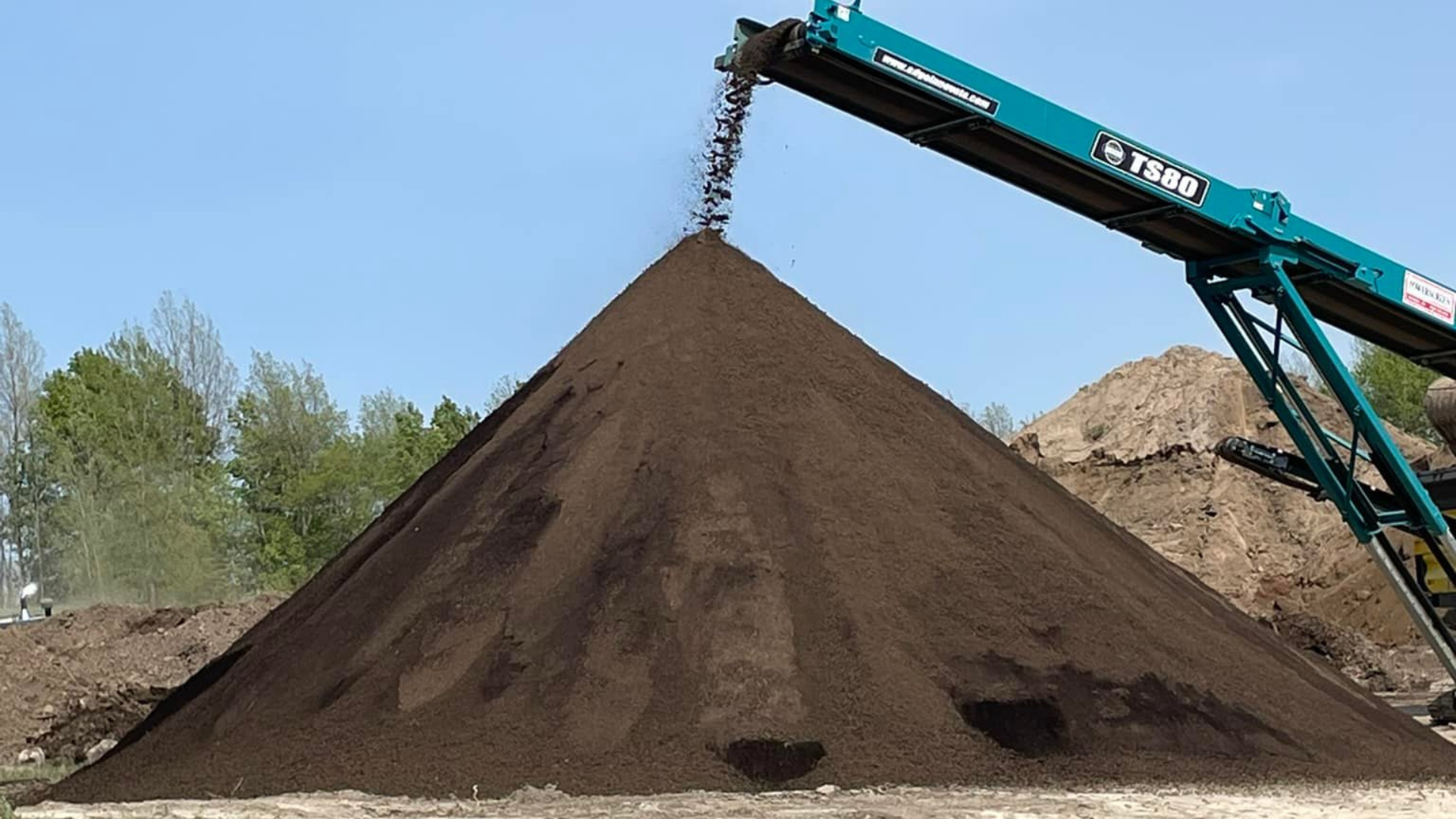
The ideal road surface combines coarse and fine materials that interlock tightly, resisting displacement from tires and weather. Too much fine material (like silt or clay) causes the road to retain water and become slippery. Too much coarse aggregate, on the other hand, leads to loose, unstable surfaces that break apart under stress.
This balance – called gradation – determines how well a road resists erosion and compaction. Proper grading ensures that the material blends uniformly, locking together for maximum stability.
The subgrade, or the soil beneath the road, also plays a crucial role. Engineers assess its bearing capacity, permeability, and plasticity index to determine how it will respond to loads and moisture. In some cases, they may stabilize the base with lime, cement, or geotextiles to improve strength and drainage.
Crowning and Grading as Preventive Maintenance
Routine maintenance is where crowning and grading truly shine. Roads naturally degrade under traffic, weather, and seasonal freeze-thaw cycles. Small ruts or uneven areas can trap water, accelerating erosion and forming potholes.
Regular crowning and grading address these issues before they escalate. By restoring the road’s shape, maintenance teams preserve drainage efficiency, reduce long-term repair costs, and extend the lifespan of the surface materials. See how these techniques are applied in real-world Projects of successful road and site work completed by the M. Riddle Excavating team.
Think of it like preventive health care for infrastructure. A small investment in routine grading saves municipalities and property owners from major reconstruction expenses later. In fact, studies show that well-maintained gravel roads can last decades longer than neglected ones – even in challenging environments.
Modern Technology in Crowning and Grading
Today’s road maintenance is more precise than ever, thanks to technology. GPS-controlled motor graders, laser leveling systems, and digital mapping tools allow operators to maintain exact crown heights and slopes with minimal guesswork.
These systems can record previous grade data, monitor material movement in real time, and automatically adjust the blade angle for consistent results. The result? Roads that are smoother, safer, and more cost-effective to maintain.
In addition, drones and moisture sensors are increasingly used to monitor road conditions, identify drainage issues, and plan targeted maintenance. The blend of old-world engineering principles with modern innovation continues to push the boundaries of what’s possible in sustainable road design.
The Broader Impact: Safety, Efficiency, and Sustainability
While crowning and grading may sound like technical details, their impact on safety and sustainability is immense. Proper drainage reduces the risk of hydroplaning and slippery conditions. Even grading ensures comfortable travel for all vehicles, from cars to heavy trucks.
Environmentally, efficient drainage also prevents sediment runoff into nearby waterways – protecting aquatic ecosystems and reducing erosion along road shoulders. Well-graded roads use less material over time, minimizing waste and fuel consumption during repairs.
Simply put, the science behind crowning and grading doesn’t just create better roads – it supports cleaner water, safer travel, and more responsible land management.
Conclusion
Every durable road begins with a solid foundation – and at the heart of that foundation lies the science of crowning and grading. These techniques transform raw earth and aggregate into surfaces that withstand years of rain, traffic, and seasonal change.
From the precise slope of a crown to the careful passes of a grader blade, every detail matters. When done right, these methods protect the road’s structure, reduce maintenance costs, and create a smoother, safer experience for everyone who travels it.
If you’re planning a road build, resurfacing, or maintenance project, our experienced team is ready to help. Contact us today to discuss your next grading project and discover how the right foundation can make all the difference.
Get a Free Quote on Road Grading and Gravel
Get a free quote today. Call M. Riddle Excavating at 613-545-7955 or request a free quote online. Learn more about our road gravel and aggregate delivery across the Kingston area.