
A septic system is one of the hardest-working yet most overlooked systems in your home. It quietly manages all your household wastewater – from showers, toilets, sinks, and laundry – ensuring that everything you send down the drain is safely treated underground. But when this system is neglected, the results can be anything but quiet. Clogged pipes, foul odors, soggy lawns, or even sewage backups can quickly turn into costly headaches for homeowners.
The good news is that most septic problems are completely preventable. Learning how to maintain a septic system properly not only saves you thousands in repairs but also helps protect your home’s environment and groundwater from contamination. With just a little care and attention, you can keep your system functioning efficiently for decades.
In this guide, we’ll walk through everything you need to know – from understanding how your system works to establishing a maintenance schedule and avoiding the common mistakes that shorten a system’s life.
Understanding How a Septic System Works
Before diving into maintenance, it helps to know what’s happening beneath your yard. A septic system has two main parts: the septic tank and the drain field.
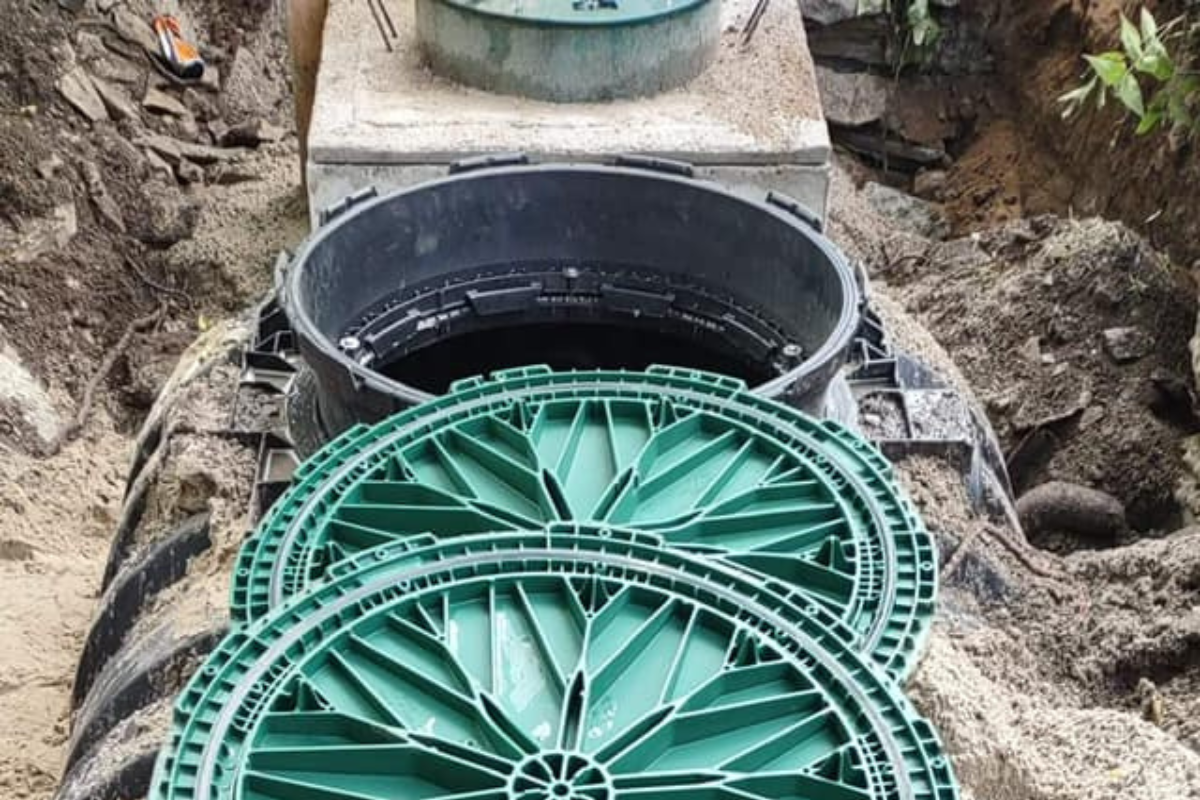
The septic tank is a watertight container buried underground, where wastewater from your home collects. Inside the tank, heavier solids settle to the bottom as sludge, while lighter materials like grease and oils float to the top as scum. In the middle, a layer of liquid – known as effluent – forms. Over time, natural bacteria in the tank break down the organic material, helping reduce the buildup of solids.
Once partially treated, this effluent flows out to the drain field, a network of perforated pipes laid in gravel trenches. The soil acts as a natural filter, removing harmful bacteria and nutrients before the water returns to the groundwater. When everything functions properly, this process is safe, efficient, and nearly invisible.
The trouble begins when the balance is disturbed – when solids aren’t pumped out often enough, too much water floods the system, or harmful materials kill off the good bacteria inside the tank. These issues can cause waste to overflow, contaminate groundwater, and damage your drain field – one of the most expensive components to replace.
Establishing a Maintenance Routine
The most important step in learning how to maintain a septic system is committing to regular inspections and pumping. Most systems should be pumped every three to five years, depending on the size of your household, the amount of wastewater generated, and the size of your tank.
During a pumping appointment, a licensed professional removes the sludge and scum that bacteria can’t break down. This prevents the material from flowing into the drain field and clogging the soil. A simple rule of thumb: if you can’t remember the last time your tank was pumped, it’s probably time to call for service.
Regular inspections are just as important. A professional like M. Riddle Excavating can identify leaks, cracks, and early signs of failure that homeowners often miss. They’ll also check filters, measure sludge levels, and ensure that your drain field is draining correctly. Scheduling an inspection every three years – or more frequently if you have an older system – helps you stay ahead of small issues before they become emergencies.
Daily Habits That Protect Your System
Maintaining a septic system isn’t just about periodic pumping; it’s about everyday habits that protect the delicate balance of bacteria inside the tank and prevent overload. Think of your septic system as a living ecosystem – it needs the right environment to function properly.
Start with what you flush. The only things that should go down your toilet are human waste and toilet paper labeled as septic-safe. Items like wipes, paper towels, feminine hygiene products, and even dental floss don’t break down the same way and can clog pipes or interfere with the breakdown process. Similarly, avoid pouring cooking grease, oils, or harsh chemicals down your sink drains. These substances can kill the beneficial bacteria that your tank relies on to process waste.
Water usage also plays a major role in system health. Every gallon of water that flows from your home enters your septic tank, so using water efficiently can significantly extend its lifespan. Spread laundry loads throughout the week, fix leaky faucets or toilets right away, and consider installing low-flow fixtures to reduce daily water consumption. When you limit the volume of water entering your tank, you give it more time to separate solids and prevent overloads that lead to drain field flooding.
Finally, pay attention to cleaning products. Many household cleaners, especially those with bleach or antibacterial properties, can disrupt the bacterial balance inside your tank. Opt for septic-safe or biodegradable cleaners instead. These are designed to clean effectively without harming the natural decomposition process that keeps your system healthy.

Caring for Your Drain Field
If the septic tank is the heart of your system, the drain field is its lungs. It needs open, aerated soil to properly filter and absorb wastewater. Protecting it should be a top priority in your maintenance plan.
Avoid driving, parking, or placing heavy equipment over your drain field, as the weight can compact the soil and crush pipes. Compacted soil loses its ability to absorb and filter water, leading to backups and flooding. Similarly, don’t build patios, sheds, or decks over the area. The drain field needs oxygen and unobstructed soil to function.
Landscaping choices matter, too. Deep-rooted trees and shrubs can grow into your pipes and cause blockages. Grass is the safest cover for a drain field since its roots are shallow and it helps prevent erosion.
One of the most common – and preventable – causes of drain field failure is excess water. Make sure your downspouts, sump pumps, and surface runoff are directed away from the field. If rainwater consistently pools in the area, the soil can become saturated, and wastewater won’t be able to filter through properly.
Recognizing Early Warning Signs
Even with careful maintenance, it’s important to recognize when your system is struggling. Early intervention can prevent expensive repairs or replacements. Watch for slow-draining sinks or toilets, gurgling pipes, or foul odors around your drains or yard. You may also notice patches of unusually green or soggy grass over the drain field – a sign that wastewater is surfacing instead of filtering underground.
Another red flag is sewage backing up into your home. If this happens, stop using water immediately and call a professional. Continuing to use the system can worsen the problem and pose health risks.
Common signs your septic system needs attention:
- Slow drains or gurgling noises from plumbing
- Unpleasant odors inside or outside your home
- Pooling water or lush patches in your yard
- Sewage backup into sinks, toilets, or tubs
If you notice any of these symptoms, don’t wait. A technician can assess the cause and recommend solutions before the damage spreads to your drain field.
Environmental Benefits of Proper Maintenance
Beyond protecting your home, maintaining your septic system plays a key role in protecting your local environment. A failing septic system can leak untreated wastewater into nearby waterways, contaminating drinking water and harming ecosystems. Nutrient pollution from septic runoff can cause algae blooms and oxygen depletion in lakes and rivers.
By properly maintaining your system, you help safeguard both your property and your community. It’s a small act of environmental responsibility that contributes to cleaner water and healthier soil.
Conclusion
Learning how to maintain a septic system is one of the best investments you can make as a homeowner. With a regular pumping schedule, smart daily habits, and proper drain field care, you can prevent costly repairs and extend the life of your system for decades.
A well-maintained septic system doesn’t just save you money – it provides peace of mind. It means your home is protected from messy and expensive disasters, your water supply remains clean, and your property stays healthy from the ground up.
If it’s been several years since your last inspection, now’s the time to schedule one. A quick visit from one of our septic professionals at M. Riddle can save you from major headaches tomorrow – and keep your septic system running smoothly for years to come.
Get a Free Septic Quote
Get a free quote today. Call M. Riddle Excavating at 613-545-7955 or request a free quote online. Learn more about our septic system installation services in Kingston and Frontenac County.