
When you suspect a sewer line leak, waiting to see if the problem resolves on its own can lead to consequences. Sewer line damage in Ontario properties often develops gradually. However, the effects compound quickly once effluent begins escaping into surrounding soil. Foul odours, slow drains, and soggy ground are not minor inconveniences. They are early indicators of a problem that demands immediate, structured action.
Ontario’s soil conditions, and municipal infrastructure age create a unique environment where sewer line vulnerabilities are not uncommon. Tree root intrusion, shifting clay soils, and ground movement seasonal weather cycles all contribute to pipe deterioration over time. Knowing exactly what to do when you suspect a sewer line leak protects your property, your health, and your investment.
Step One: Stop Using Water Immediately
The first and most critical action when you suspect a sewer line leak is to stop adding water. Every flush, every sink drain, and every appliance cycle pushes more effluent through a potentially compromised line. If the pipe is cracked, separated, or blocked, that additional flow increases pressure and worsens the breach.
Shut off any running appliances and avoid using toilets, showers, or sinks until a professional has assessed the situation. In households with multiple occupants, communicate the situation clearly so no one unknowingly contributes to the problem. This step limits both the severity of the leak and the contamination risk to surrounding soil and groundwater.
Step Two: Inspect Accessible Areas for Visible Signs
Once water usage has stopped, conduct a careful visual inspection. Check if any accessible areas reveal the extent of the issue. Basements, crawl spaces, and utility rooms sometimes show signs of sewer line damage before they appear elsewhere. Look for pooled water, discolouration on concrete floors or walls, unusual odours, or any evidence of moisture intrusion near floor drains.
Outside the property, walk the route where your sewer line is likely buried. Abnormally lush patches of grass, soft or sunken ground, and standing water in dry conditions all suggest that effluent may be escaping underground. These surface indicators often appear directly above the leak site. They provide useful information for the professionals who will assess the damage. Documenting what you observe with photographs also supports accurate diagnosis and any future insurance or municipal reporting processes.

Step Three: Avoid DIY Fixes or Chemical Drain Treatments
When homeowners suspect a sewer line leak, the temptation to pour commercial drain cleaners or attempt temporary patching is understandable. However, chemical treatments designed for minor clogs can damage already compromised pipe materials and make the problem worse. Similarly, attempting to excavate around buried infrastructure without proper equipment and training creates safety risks and potential liability.
Ontario properties with older clay tile or cast iron sewer lines are especially vulnerable to additional damage from improper intervention. The Ontario Building Code governs sewer infrastructure standards. Any repair work that intersects with municipal systems must comply with local regulations. Attempting unlicensed repair on sewer infrastructure can result in fines and require remediation at the homeowner’s expense.
Step Four: Contact a Qualified Excavation and Site Professional
After stabilising the situation and documenting visible evidence, contacting a qualified professional is the necessary next step when you suspect a sewer line leak. Sewer line issues that originate on private property are typically the homeowner’s responsibility, which means professional diagnosis and repair fall to the landowner rather than the municipality.
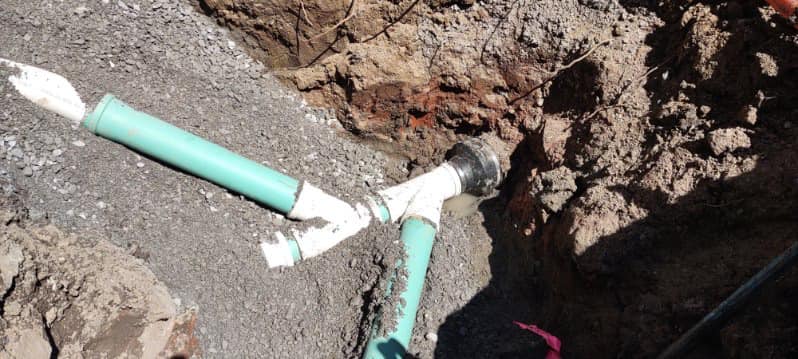
An experienced excavation contractor can assess site conditions, determine the location and cause of the damage. They can also recommend the appropriate repair method. Depending on the severity, solutions may range from targeted pipe repair to full line replacement with proper backfill and grading. Professionals also evaluate whether the surrounding soil has been compromised, which matters for both structural stability and long-term drainage performance.
For homeowners in rural Ontario where properties rely on private systems, the interaction between sewer infrastructure and other below-grade components like septic systems or drainage beds requires additional attention. Coordinating across all underground systems during repair prevents compounding issues from developing later. Reviewing completed excavation projects provides a realistic sense of what professional sewer line assessment and repair looks like across properties.
Step Five: Request a Camera Inspection Before Any Excavation Begins
Before any digging takes place, request that a sewer camera inspection be completed. This non-invasive diagnostic tool involves inserting a flexible camera through the pipe to identify cracks, root intrusion, joint separation, or blockages with precision. Camera inspection eliminates guesswork. It also ensures that excavation targets the correct location, reducing both project cost and disruption to your property.
When you suspect a sewer line leak, camera inspection is the most reliable method for detection. The footage also provides documentation that supports warranty claims, municipal reporting, or discussions with an insurer. Reputable excavation professionals include camera inspection as part of the assessment process before recommending any repair scope.
The Ontario Onsite Wastewater Association and provincial guidance on below-grade infrastructure reinforce the importance of proper diagnosis before intervention. Proceeding with excavation without confirmed knowledge of the leak location can result in unnecessary ground disturbance and additional repair costs if the original problem persists.
Why Prompt Action Protects More Than Just the Pipe
Homeowners who suspect a sewer line leak and take prompt action avoid a range of secondary problems that develop. Effluent escaping into soil introduces bacteria and pathogens that can contaminate groundwater, especially in rural areas with nearby wells or water features. The longer the leak continues, the wider the contamination radius and the more difficult remediation becomes.
Ground saturation from a sewer line breach also destabilises soil structure. This can affect the load-bearing capacity beneath driveways, foundations, and outbuildings. In Ontario’s clay-heavy soils, saturated ground expands and contracts more dramatically during freeze-thaw cycles, accelerating surface cracking and settling. Addressing the problem at the source prevents a contained pipe repair from escalating into a broader site stabilisation project.
Homeowners who work with experienced site professionals from the point of initial suspicion benefit from structured guidance through each stage of the process. From diagnostic inspection through excavation, pipe repair, and site restoration, a coordinated approach reduces both the timeline and the total cost of resolving the issue.

Protecting Your Property Starts With the Right Response
Acting quickly and methodically when you suspect a sewer line leak is the most effective way to limit damage and control costs. Stopping water use, observing accessible areas, avoiding chemical interventions, contacting a qualified professional, and requesting a camera inspection before any digging begins are the five steps that keep the situation manageable.
Ontario property owners who understand what to do when they suspect a sewer line leak are far better positioned to protect their investment than those who delay or attempt to resolve the issue without professional support. Sewer line damage rarely improves on its own, and the window for low-cost intervention narrows quickly once the leak has progressed.
If you have noticed warning signs on your property and need professional assessment, reaching out to a qualified excavation team is the right place to start. Accurate diagnosis, transparent repair recommendations, and proper site restoration are what distinguish professional sewer line service from temporary fixes that leave the underlying problem unresolved.