A strong foundation is essential to the long-term stability and safety of any structure. In Ontario, foundations face constant pressure from shifting soils, seasonal moisture changes, and freeze-thaw cycles that can gradually compromise structural integrity. Foundation issues often develop slowly, making them easy to overlook until visible damage appears. Recognizing early warning signs that your property may need foundation repair can help prevent costly structural failures and protect the value of your home or commercial building.
Foundation repair is not only about addressing visible cracks or water intrusion. It involves identifying underlying issues related to soil movement, drainage problems, and construction stresses that affect how a building responds to its environment. Ontario properties are particularly vulnerable due to clay-rich soils and fluctuating temperatures that place repeated stress on foundation systems.

Cracks in Foundation Walls and Interior Surfaces
One of the most common indicators that foundation repair may be required is cracking. Small hairline cracks can form naturally as concrete cures, but larger or expanding cracks often signal movement within the foundation. Vertical cracks may indicate settlement issues, while horizontal or stair-step cracks can point to lateral pressure from soil expansion.
Interior signs such as cracks in drywall, ceilings, or around door frames may also reflect foundation movement. These cracks often reappear after being patched if the underlying issue remains unresolved. In Ontario, freeze-thaw cycles can worsen existing cracks by allowing moisture to enter and expand during colder months, increasing the need for timely foundation repair.
Uneven or Sloping Floors
Floors that feel uneven, sloped, or bouncy may indicate shifting beneath the structure. Over time, soil settlement or erosion beneath footings can cause sections of the foundation to sink or tilt. This movement transfers stress upward, affecting floor joists and load-bearing walls.
In older homes or properties built on variable soil conditions, uneven floors may develop gradually and go unnoticed. However, these changes often point to foundation instability that should be assessed by professionals experienced in foundation repair. Left unaddressed, uneven floors can lead to additional structural complications throughout the building.
Doors and Windows That Stick or Do Not Close Properly
Doors and windows that suddenly stick, jam, or fail to close properly often reflect subtle shifts in the foundation. When a foundation moves, it alters the alignment of frames throughout the structure. This issue is frequently mistaken for seasonal humidity changes, but persistent problems typically indicate deeper structural concerns.
On Ontario properties, these symptoms often worsen during spring thaws or periods of heavy rainfall when soil moisture levels fluctuate rapidly. Foundation repair may be necessary to stabilize the structure and restore proper alignment, preventing further damage to framing and finishes.
Water Intrusion and Basement Moisture
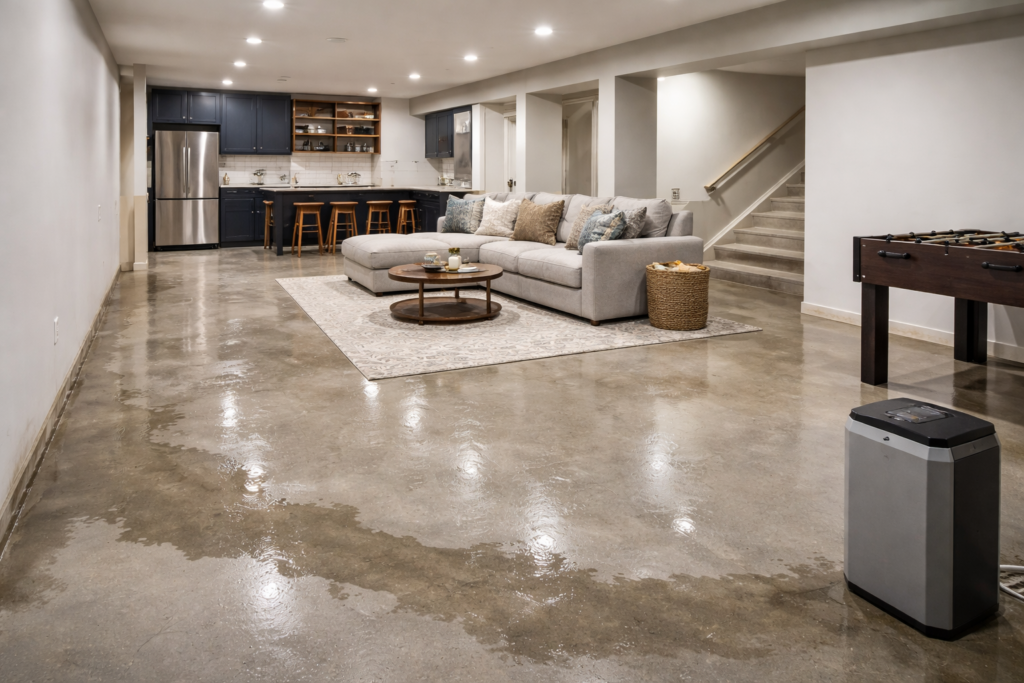
Persistent moisture in basements or crawl spaces is a strong indicator that foundation repair may be needed. Water infiltration often occurs through cracks, joints, or weakened foundation walls. While waterproofing systems help manage moisture, foundation damage can allow water to bypass these protections.
Signs of concern include damp walls, visible leaks, efflorescence, or musty odours that suggest ongoing moisture exposure. In Ontario, melting snow and heavy spring rains place additional pressure on foundation walls. When water infiltration accompanies structural symptoms, foundation repair and drainage improvements are often required together. Professional excavation and drainage solutions play a key role in addressing these combined issues.
Bowing or Leaning Foundation Walls
Bowing or leaning foundation walls are among the most serious warning signs. This condition typically results from prolonged lateral pressure exerted by expanding soils, especially clay-based soils common in Ontario. As soil absorbs moisture and freezes, it expands against foundation walls, gradually forcing them inward.
Visible signs may include walls that appear curved, cracked horizontally, or misaligned at corners. Bowing walls require immediate professional assessment, as delayed foundation repair can result in structural failure or collapse. Addressing these issues often involves excavation, reinforcement, and drainage correction to relieve pressure and stabilize the foundation.
Gaps Around Exterior Openings and Structures
Gaps forming around windows, doors, garage frames, or between exterior walls and attached structures such as decks or porches may indicate foundation movement. As the foundation shifts, these gaps widen and allow air and water infiltration, compounding existing problems.
Exterior foundation damage often becomes more visible after winter as soils settle unevenly during spring thaw. Identifying these gaps early allows property owners to pursue foundation repair before further separation occurs. Reviewing completed foundation stabilization projects can help property owners understand how these issues are typically addressed.
Separation of Walls and Ceilings
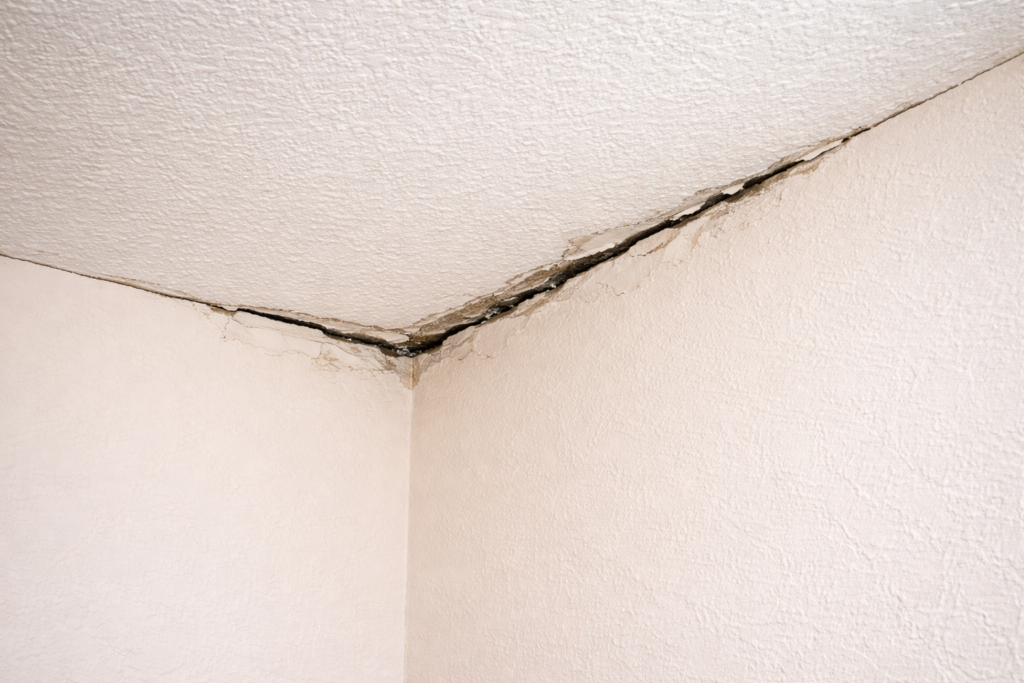
Interior wall and ceiling separation often appears as gaps where walls meet ceilings or floors. This separation reflects uneven movement within the structure and often accompanies other signs of foundation instability. Over time, these gaps can expand and affect insulation performance, energy efficiency, and interior finishes.
Foundation repair focuses on correcting the underlying cause rather than cosmetic damage alone. Simply patching these gaps without addressing foundation movement will result in recurring issues as seasonal cycles continue to impact the structure.
Chimney and Exterior Masonry Damage
Chimneys and masonry features are particularly sensitive to foundation movement because they are rigid and heavy. Cracks in chimney bricks, tilting chimneys, or separation between masonry and siding often indicate foundation settlement beneath these elements.
Ontario freeze-thaw cycles accelerate masonry deterioration when moisture enters cracks and expands during freezing temperatures. Foundation repair combined with proper drainage helps stabilize these structures and prevent further damage.
Increased Pest Activity
Unexpected pest activity in basements or crawl spaces may signal foundation damage. Cracks and gaps created by shifting foundations provide entry points for insects and rodents. While pest control addresses the immediate issue, foundation repair is necessary to eliminate access points and restore the integrity of the building envelope.

The Importance of Early Foundation Repair
Delaying foundation repair often leads to more extensive and expensive solutions. Small issues such as minor cracks or alignment problems can escalate into major structural failures if ignored. Early intervention allows for targeted repairs that stabilize the foundation and prevent further deterioration.
Ontario homeowners benefit from regular inspections, particularly after winter and spring thaw periods. Understanding how local soil conditions, drainage patterns, and climate affect foundations allows professionals to recommend appropriate repair strategies.
Professional Assessment and Local Expertise
Foundation repair requires specialized knowledge of excavation, soil behaviour, and structural support systems. Working with experienced professionals ensures that repairs address the root cause of the problem rather than surface symptoms. M. Riddle Excavating brings regional expertise and a strong understanding of Ontario soil conditions to foundation repair projects.
For homeowners unsure whether foundation repair is needed, professional consultation provides clarity and peace of mind. Early assessment helps prevent unnecessary damage and supports long-term property protection. Property owners can contact M. Riddle Excavating directly to discuss concerns and explore appropriate solutions.
Protecting Your Property Investment
A stable foundation supports every part of a structure, from walls and floors to roofing and exterior features. Recognizing the signs that foundation repair may be necessary allows property owners to act proactively rather than reactively. By addressing issues early, homeowners protect their investment, maintain property value, and ensure long-term structural safety.
Staying informed through contact M. Riddle Excavating directly, helps property owners understand how environmental factors affect foundations throughout the year.