
Ontario homeowners face a unique set of challenges when it comes to protecting their foundations. One of the most damaging and least understood threats is the freeze-thaw cycle. This natural process occurs repeatedly throughout the fall, winter, and early spring as temperatures fluctuate above and below freezing. Over time, these cycles place significant stress on foundation materials, particularly when moisture is present. Waterproofing plays a critical role in protecting foundations during freeze-thaw cycles by controlling water infiltration, preserving structural integrity, and extending the lifespan of the building.
Waterproofing is often viewed as a preventative upgrade rather than an essential component of foundation construction and maintenance. In reality, waterproofing acts as a first line of defense against the long-term damage caused by moisture exposure in Ontario’s climate. Without proper waterproofing systems in place, even well-built foundations can experience cracking, shifting, and deterioration as freeze-thaw cycles repeat year after year.
Understanding Freeze-Thaw Cycles in Ontario
Freeze-thaw cycles occur when water enters the soil or porous materials around a foundation, freezes as temperatures drop, and then expands. When temperatures rise again, the ice melts and contracts. This repeated expansion and contraction creates movement in the soil and pressure against foundation walls. In Ontario, where winter temperatures regularly fluctuate around the freezing point, this process can happen dozens of times in a single season.
Soil composition plays a major role in how severe freeze-thaw damage becomes. Clay-heavy soils, which are common throughout many parts of Ontario, retain moisture and expand significantly when frozen. As these soils swell, they exert lateral pressure on foundation walls. When they thaw, the soil contracts and leaves voids that allow water to flow back toward the foundation. Without effective waterproofing, this cycle creates ideal conditions for cracks, leaks, and long-term structural stress.
Why Moisture Is the Root Cause of Foundation Damage
Moisture is the primary factor that allows freeze-thaw cycles to damage foundations. Concrete is strong, but it is also porous. Small amounts of water can penetrate foundation walls through hairline cracks, construction joints, or unprotected surfaces. When this trapped moisture freezes, it expands within the concrete itself, gradually widening cracks and weakening the structure.
Waterproofing addresses this issue at its source by preventing water from entering the foundation system in the first place. Proper waterproofing creates a barrier that blocks moisture from penetrating foundation walls, footings, and joints. By limiting water exposure, waterproofing reduces the internal stresses that occur when freezing temperatures hit.
How Waterproofing Systems Protect Foundation Walls
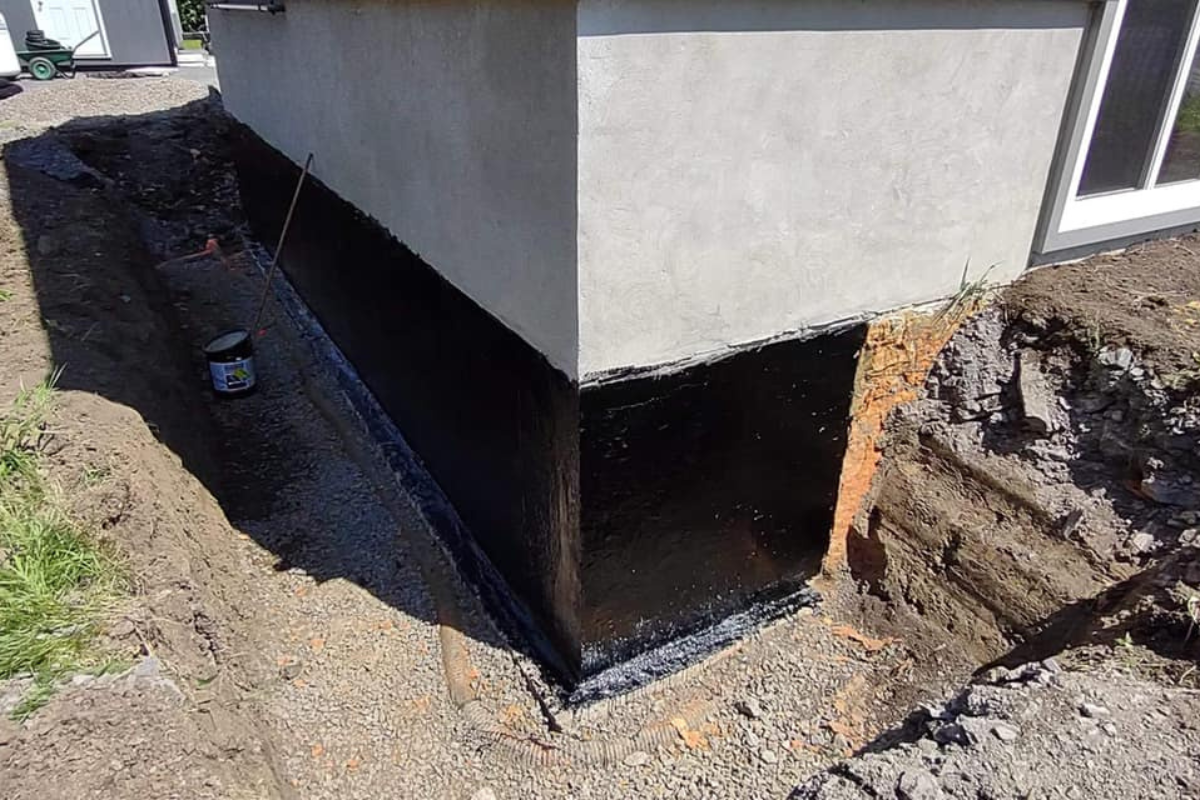
Waterproofing systems are designed to manage both surface water and groundwater before they can cause damage. Exterior waterproofing typically involves excavating and applying a waterproof membrane directly to the outside of foundation walls, combined with drainage systems that redirect water away from the structure. This approach is particularly effective because it stops moisture before it reaches the concrete.
In Ontario conditions, waterproofing membranes must remain flexible in cold temperatures. Rigid materials can crack or separate as the foundation shifts slightly during freeze-thaw cycles. It’s also worth noting that fluctuations in seasonal temperatures can also affect the initial excavation plans to install waterproofing solutions. High-quality waterproofing products are engineered to maintain elasticity, allowing them to move with the structure rather than against it. This flexibility ensures continuous protection even as soil conditions change throughout the seasons.
Interior waterproofing solutions may also be used in certain situations, particularly when exterior access is limited. These systems manage water that enters the foundation by directing it to sump pumps or drainage channels. While interior solutions help control water, exterior waterproofing remains the most effective method for protecting foundations against freeze-thaw damage because it addresses the problem at the source.
The Role of Drainage in Waterproofing Performance
Waterproofing does not work in isolation. Drainage plays an equally important role in foundation protection. Poor drainage allows water to accumulate around the foundation, increasing hydrostatic pressure and forcing moisture toward foundation walls. During freeze-thaw cycles, this trapped water repeatedly freezes and expands, intensifying stress on the structure.
Effective waterproofing systems include foundation drains, gravel backfill, and grading strategies that encourage water to flow away from the building. Proper drainage reduces the volume of water in contact with the foundation, minimizing the risk of freeze-related damage.
Preventing Cracks and Structural Shifts
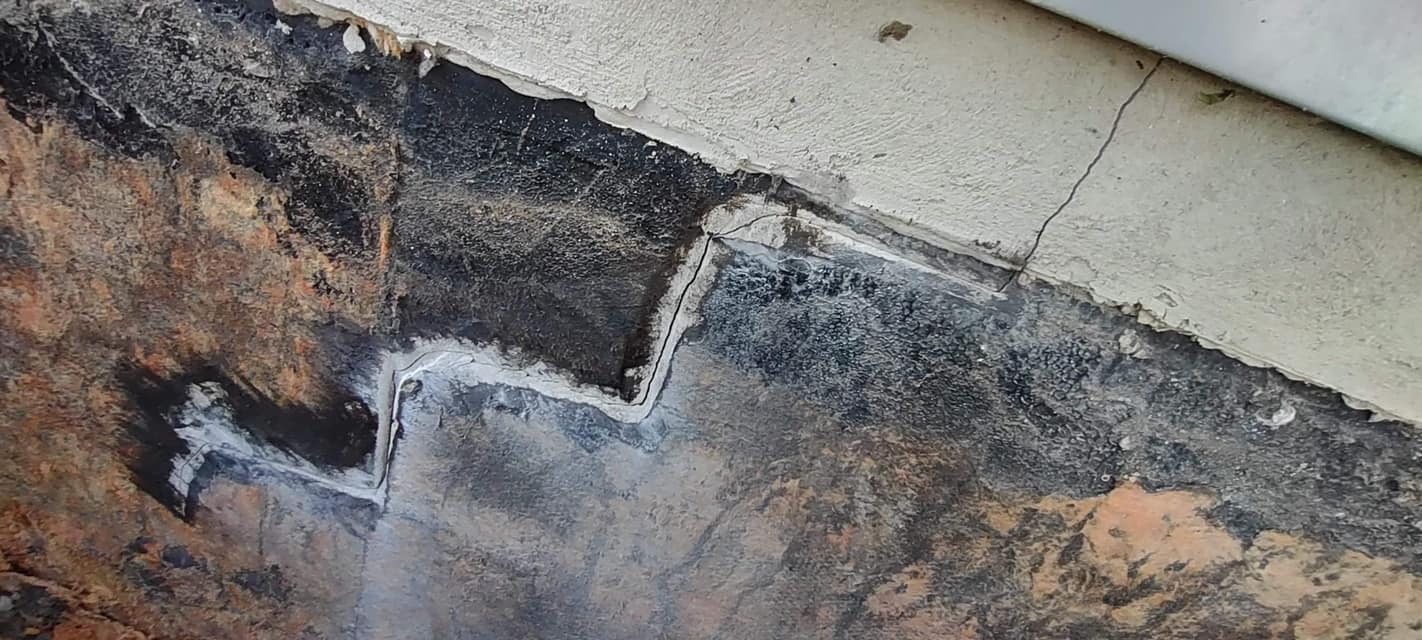
Foundation cracks often begin small and go unnoticed for years. Freeze-thaw cycles accelerate crack growth by repeatedly stressing weak points in the foundation. Once cracks form, they allow even more water to enter, compounding the problem with each season.
Waterproofing helps prevent cracks by maintaining consistent moisture levels around the foundation. When water cannot infiltrate the concrete, freeze expansion inside the structure is significantly reduced. This stability limits movement and preserves the integrity of foundation walls, footings, and joints.
In severe cases, unprotected foundations may experience structural shifting or bowing walls. These issues often require extensive repairs that could have been avoided with proper waterproofing. Reviewing completed foundation and excavation projects offers valuable insight into how proactive waterproofing supports long-term structural performance.
Waterproofing and Basement Protection
Basements are particularly vulnerable during freeze-thaw cycles because they sit below grade and remain in constant contact with surrounding soil. Water intrusion in basements often presents as damp walls, musty odours, or visible leaks during seasonal thaws. These signs indicate that waterproofing systems may be inadequate or failing.
By protecting basement walls from moisture exposure, waterproofing helps maintain a dry and stable interior environment. This protection reduces the risk of mould growth, insulation damage, and interior finish deterioration. Over time, effective waterproofing also supports healthier indoor air quality and improved comfort for occupants.
Long-Term Cost Savings Through Preventative Waterproofing
Many homeowners delay waterproofing because the damage is not immediately visible. However, the cumulative impact of freeze-thaw cycles can result in costly foundation repairs, water damage restoration, and reduced property value. Waterproofing represents a preventative investment that helps avoid these long-term expenses.
In Ontario, foundation repairs often require excavation, structural reinforcement, and drainage upgrades. These projects can be significantly more expensive than installing waterproofing during initial construction or early maintenance stages. Property owners who prioritize waterproofing protect both their structures and their financial investment.
Ontario Regulations and Best Practices
Foundation waterproofing and drainage practices in Ontario must align with building codes and local regulations. Municipal requirements often dictate minimum standards for foundation protection, drainage systems, and grading. Consulting reliable sources such as the Government of Ontario building guidelines provides valuable information on best practices for foundation durability in cold climates.
Working with experienced excavation and waterproofing professionals ensures that systems are installed correctly and comply with local requirements. Professional oversight is especially important in areas with challenging soil conditions or high groundwater levels.
Choosing the Right Waterproofing Approach
No two properties are exactly alike. Soil composition, foundation type, drainage conditions, and building age all influence the most effective waterproofing strategy. A thorough site assessment allows professionals to identify vulnerabilities and design solutions that address freeze-thaw risks specific to the property. M. Riddle Excavating brings local experience and technical knowledge to waterproofing and foundation protection projects across Ontario.
Protecting Foundations for the Long Term
Property owners planning new construction or addressing existing foundation concerns benefit from professional guidance. Connecting with knowledgeable excavation and waterproofing specialists helps ensure the work is completed correctly and designed to perform in Ontario’s demanding climate.