
Excavation projects are rarely one size fits all, especially in Ontario where weather conditions shift dramatically throughout the year. Homeowners, developers, and property managers often underestimate how much seasonal changes influence timelines, soil conditions, safety requirements, and overall costs. Successful excavation plans account for more than just depth and access. They consider temperature fluctuations, moisture levels, frost penetration, and ground stability long before equipment arrives on site.
Ignoring seasonal factors can lead to delays, unexpected repairs, and even long term damage to surrounding structures. Understanding how each season affects excavation plans allows you to schedule work more strategically and avoid common pitfalls that arise when ground conditions work against you rather than with you.
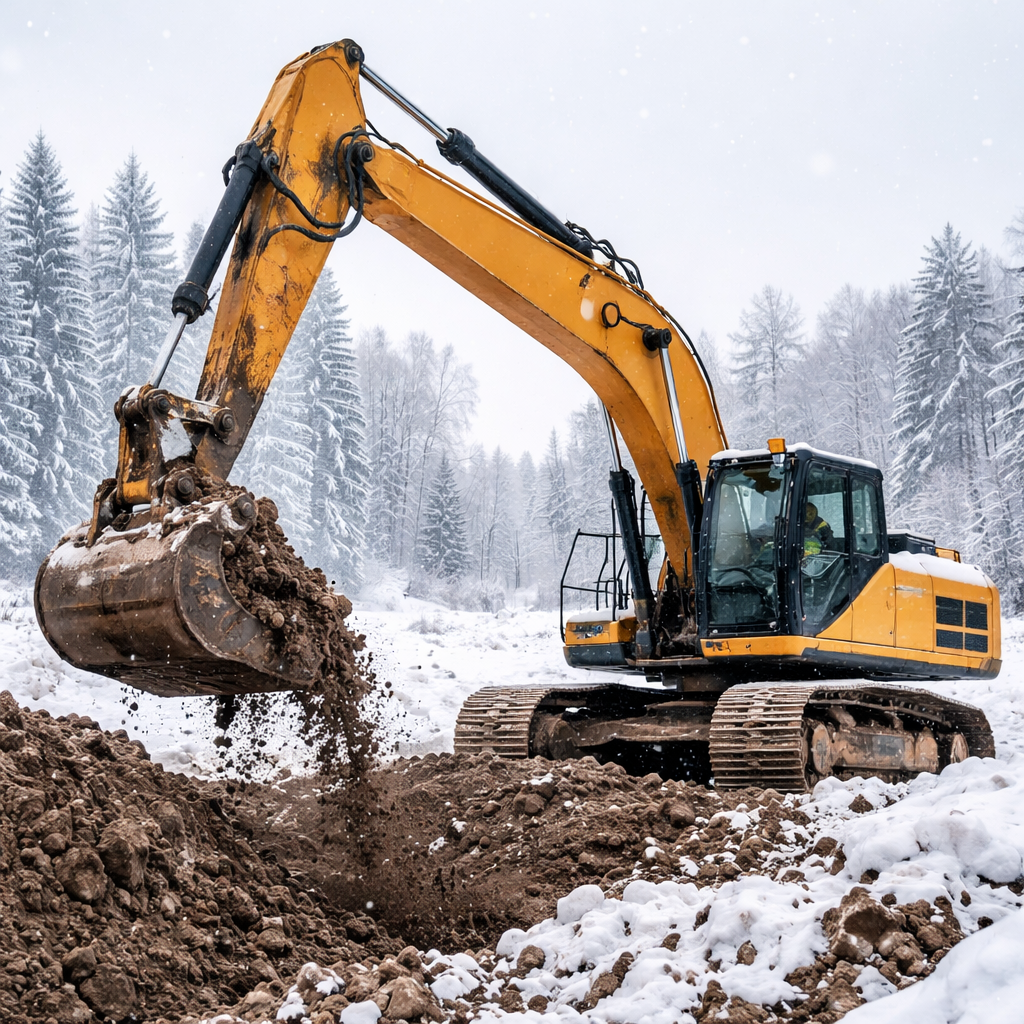
Winter Excavation and Frozen Ground Challenges
Winter introduces some of the most demanding conditions for excavation plans. Frozen ground significantly increases resistance, making digging slower and requiring heavier equipment or additional preparation. Frost can penetrate several feet below the surface in Ontario, depending on location and snowfall, which directly impacts trenching, foundation work, and utility installations.
Cold temperatures also affect soil behaviour. Clay soils become harder and more brittle, while granular soils may lose cohesion once thawing begins. Excavation plans during winter must factor in frost removal techniques, such as ground heaters or mechanical breaking, which can increase project costs and timelines.
Safety considerations also intensify during winter excavation. Snow and ice reduce visibility, complicate access points, and increase slip hazards around open excavations. Equipment performance can decline in extreme cold, and emergency repairs become more difficult if ground conditions deteriorate unexpectedly. Experienced contractors who understand winter excavation can mitigate these risks, but not all projects benefit from cold weather scheduling.
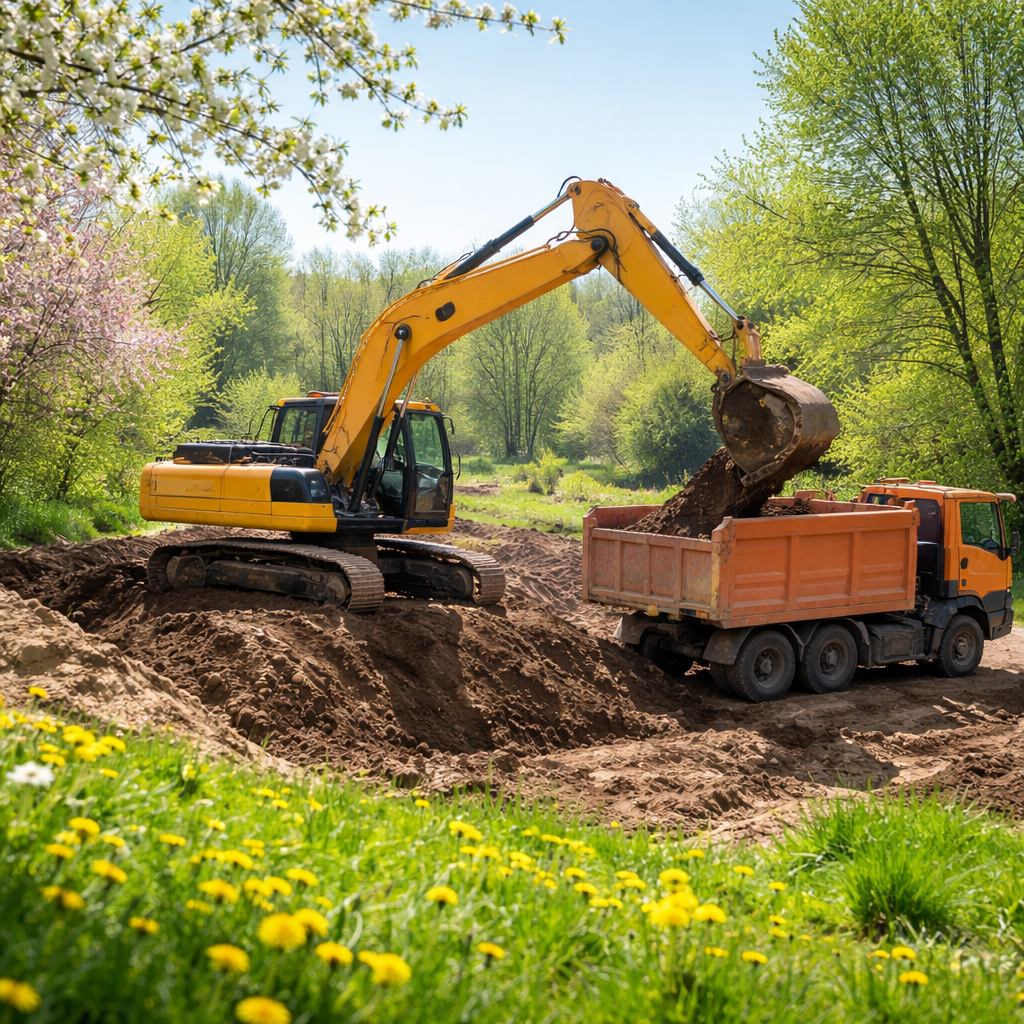
Spring Thaw and Water Management Risks
Spring may appear ideal for excavation plans once snow melts, but it presents some of the most unpredictable ground conditions of the year. As frozen soil thaws, it often becomes saturated with water, reducing load bearing capacity and increasing the risk of collapse. Trench walls that appeared stable in winter can suddenly fail once moisture levels rise.
Drainage becomes a critical concern in spring excavation plans. Melting snow and seasonal rainfall can flood open excavations quickly, leading to delays and added costs for pumping and stabilization. Poor water management during spring excavation can compromise foundations, utility lines, and grading accuracy.
Soil displacement is another major risk. Wet soils are more prone to shifting, which can impact nearby structures, roadways, and landscaping. Proper excavation plans account for temporary drainage solutions, reinforced trenching systems, and flexible scheduling to accommodate weather variability. Taking a look at previous projects completed under similar conditions can provide valuable insight into what to expect for your property.
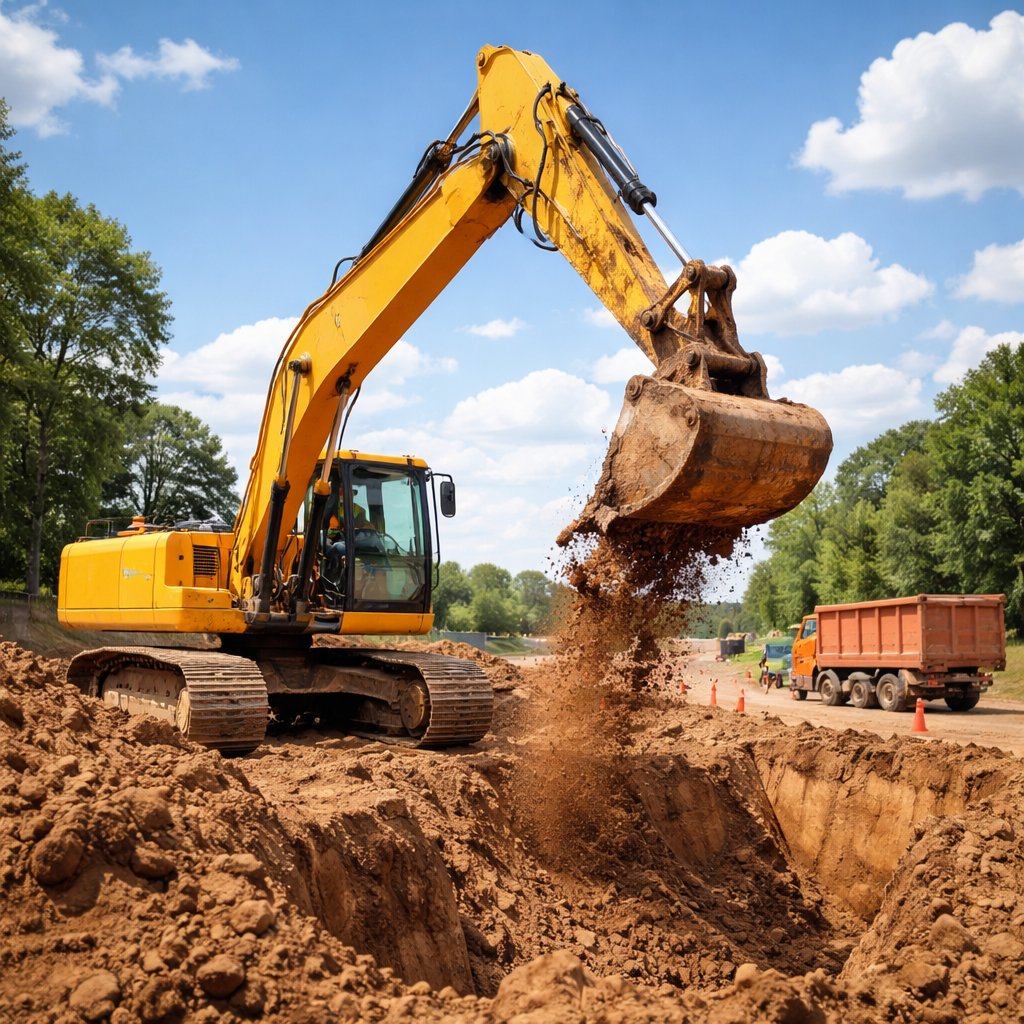
Summer Excavation Benefits and Heat Considerations
Summer is often viewed as the optimal season for excavation plans, largely due to stable soil conditions and predictable weather. Dry ground improves equipment traction and trench stability, making excavation more efficient and precise. Many large scale excavation plans target summer months to reduce delays caused by moisture and frost.
However, summer excavation still presents challenges that must be managed carefully. Extended dry periods can harden soil, particularly clay, increasing resistance and wear on equipment. Heat also affects workers, machinery, and scheduling. Prolonged exposure to high temperatures can lead to fatigue, safety risks, and reduced productivity if proper precautions are not taken.
Dust control becomes another consideration in summer excavation plans. Dry soil can create airborne particles that impact visibility, air quality, and nearby properties. Responsible excavation planning includes dust suppression methods and clear communication with surrounding property owners.
Despite these factors, summer remains a popular choice for excavation plans involving foundations, drainage systems, and large scale grading. Contractors often have greater flexibility to coordinate related services such as concrete work and landscaping during this season.
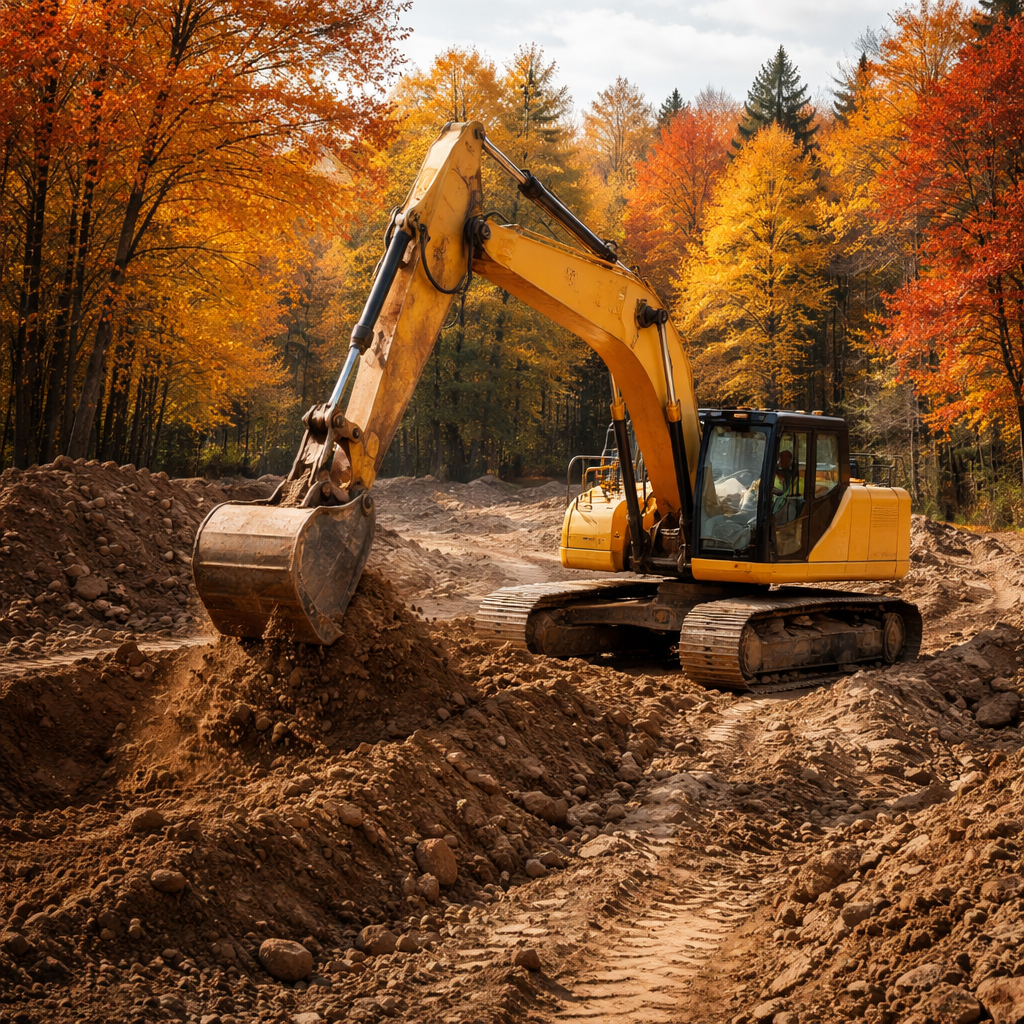
Fall Excavation and Transitional Conditions
Fall represents a transitional period that can either support or complicate excavation plans depending on timing and weather patterns. Early fall often offers stable soil conditions similar to summer, with cooler temperatures that improve working conditions. This makes fall an excellent window for completing excavation plans ahead of winter freeze, especially for projects that must comply with excavation regulations.
As temperatures drop later in the season, moisture levels rise due to increased rainfall, and early frost can begin affecting surface soils. Excavation plans scheduled too late into fall may encounter mixed conditions where soil alternates between soft and partially frozen, complicating trench stability and grading accuracy.
Fall excavation plans must also consider daylight limitations. Shorter days reduce available working hours, which can impact project timelines if not planned accordingly. Contractors with experience across multiple seasons understand how to adjust schedules and equipment use to maintain progress without compromising safety.
Soil Type and Seasonal Interaction
Soil composition plays a significant role in how seasons affect excavation plans. Clay, sand, silt, and loam each respond differently to temperature and moisture changes. Clay soils retain water and expand during freeze thaw cycles, increasing movement and pressure on excavation walls. Sandy soils drain more efficiently but may lose stability when saturated.
Understanding soil behaviour is critical especially if you find yourself on a sloped or waterfront lot. Professional assessments and test pits help determine how soil will respond throughout the year. This knowledge allows excavation plans to incorporate appropriate shoring, drainage, and reinforcement strategies.
Ontario regulations emphasize soil classification because seasonal changes can alter soil characteristics rapidly. Excavation plans that ignore these shifts increase the risk of collapse, settlement, and long term structural issues.
Permits, Locates, and Seasonal Timing
Seasonal timing also affects permitting and utility locating processes. Excavation plans must account for potential delays in utility locates during peak construction seasons. Winter conditions may slow response times, while spring and summer demand can create backlogs.
Coordinating excavation plans with permit approvals, locates, and inspections requires advance planning. Ontario One Call and municipal permitting offices provide guidelines that help align excavation plans with seasonal realities. Factoring these administrative elements into your timeline reduces the risk of costly downtime.
For homeowners and developers, working with a contractor familiar with seasonal permit requirements helps streamline the process. This approach ensures excavation plans remain compliant while adapting to changing ground conditions.
Long Term Impacts of Poor Seasonal Planning
The consequences of poorly timed excavation plans often extend far beyond the construction phase. Improper excavation during wet or unstable conditions can lead to settling, foundation cracking, drainage failures, and water infiltration months or even years later. These issues frequently surface long after the excavation appears complete, making repairs more complex and expensive.
Seasonally informed excavation plans prioritize long term stability rather than short term convenience. Choosing the right season for your specific project reduces stress on soil, minimizes disruption, and protects surrounding infrastructure.
Choosing the Right Partner for Year Round Excavation
Developing effective excavation plans requires more than understanding weather patterns. It demands experience, local knowledge, and the ability to adapt techniques as conditions change. Contractors who operate year round gain valuable insight into how seasonal variables affect excavation outcomes.
Reliable excavation plans integrate services such as grading, drainage, waterproofing, and land preparation into a cohesive approach. Understanding how these services interact across seasons ensures consistent results regardless of project timing. Reviewing the range of excavation services available can help you identify solutions that align with your property needs.
When seasonal conditions create uncertainty, consulting with professionals early helps refine excavation before work begins. Clear communication and expert assessment reduce surprises and improve overall project success.
If you are considering excavation work and want guidance on the best timing for your property, connecting with an experienced team ensures your excavation plans account for Ontario’s unique seasonal challenges.
Planning Ahead for Better Results
Seasonal changes influence every stage of excavation, from initial planning to final backfill. Excavation plans that adapt to winter frost, spring moisture, summer heat, and fall transitions deliver stronger, safer, and more durable results. Thoughtful timing and professional insight transform excavation from a reactive process into a strategic investment.
By understanding how different seasons affect excavation, property owners gain greater control over costs, timelines, and long term performance. Whether you are preparing for drainage improvements, foundation work, or land development, aligning your excavation plans with seasonal realities sets the foundation for success.