
Excavation is one of the most important early stages of any construction or site development project. Whether a property owner is planning a new home build, an addition, or a large commercial development, understanding how excavation requirements change based on property type can help prevent delays, unexpected costs, and long term site issues. Residential excavation and commercial excavation differ significantly in scope, regulations, equipment, and planning expectations. Property owners in Ontario benefit from understanding these differences before committing to site work.
Residential excavation typically involves smaller scale projects that focus on individual homes and private properties. Commercial excavation, on the other hand, supports larger developments that may serve many occupants, involve heavier structures, and require extensive coordination. Knowing where these two excavation types diverge allows property owners to make informed decisions, plan budgets more accurately, and work more effectively with experienced excavation contractors.
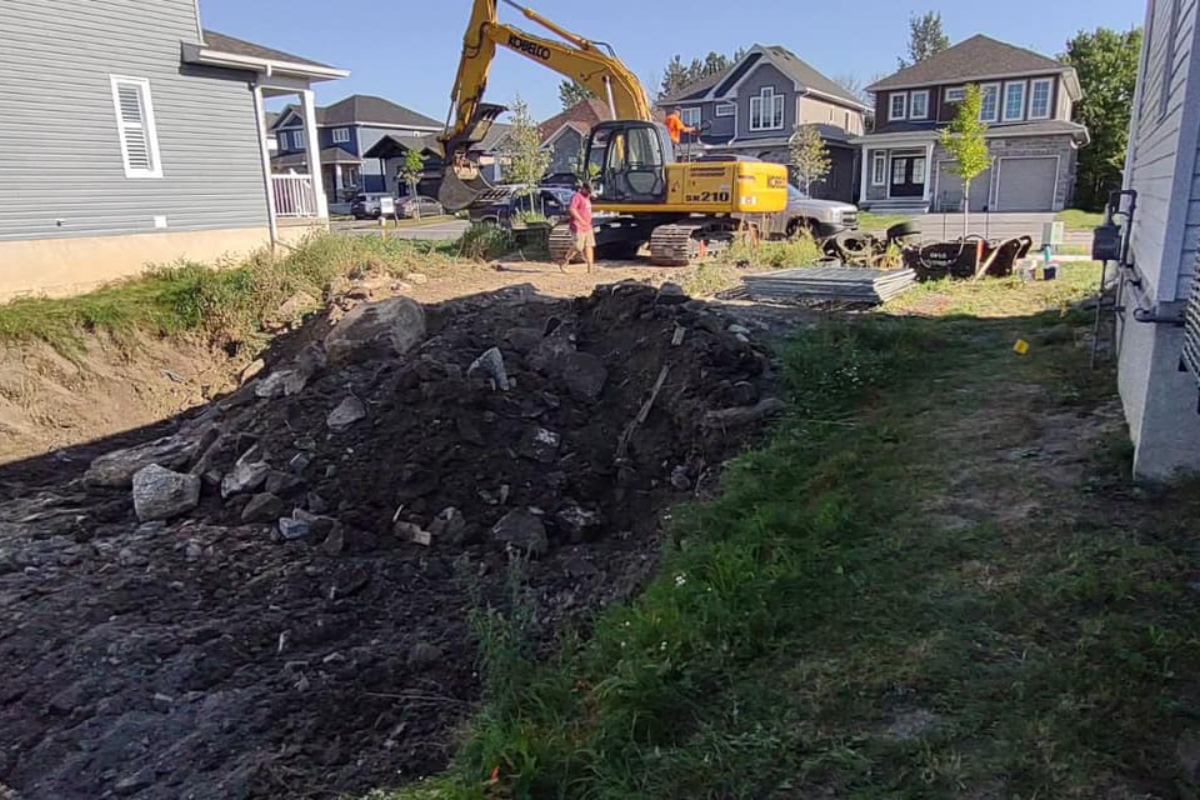
Understanding Residential Excavation Projects
Residential excavation focuses on preparing land for homes, additions, garages, driveways, septic systems, and drainage solutions on private residential properties. Residential excavation often takes place in established neighbourhoods where space constraints, neighbouring structures, and existing utilities are common property challenges. In Ontario, residential excavation must account for variable soil conditions, including clay-heavy soils that are common throughout many regions and can affect drainage and soil stability.
A typical residential excavation project may involve foundation digging, trenching for utilities, grading for water runoff, or land clearing for a new build. Residential excavation usually requires smaller equipment that can access tight spaces without causing unnecessary disruption to surrounding properties. Careful planning is required to protect nearby structures and maintain proper grading to prevent future drainage issues.
Since residential excavation directly impacts the long term stability of a home, accuracy and attention to detail are critical. Improper residential excavation can lead to foundation settlement, water infiltration, or shifting soils that compromise the structure over time. Experienced excavation contractors understand how to adapt residential excavation techniques to Ontario climate conditions, including freeze thaw cycles that place additional stress on soil and foundations.
What Defines Commercial Excavation
Commercial excavation supports projects such as retail developments, office buildings, warehouses, multi unit residential complexes, and industrial facilities. These projects typically involve larger footprints, deeper excavation, and more complex site preparation requirements. Commercial excavation often requires extensive earth moving, site grading, stormwater management systems, and coordination with engineers, surveyors, and municipal inspectors.
Unlike residential excavation, commercial excavation frequently involves heavy equipment, large crews, and longer project timelines. Soil testing and geotechnical assessments play a major role in commercial excavation planning to ensure the site can support heavier structural loads. Ontario regulations require commercial excavation projects to meet strict safety, environmental, and engineering standards before work begins.
Commercial excavation sites must also account for higher traffic volumes, increased drainage demands, and long term durability. Mistakes at this stage can affect not only the building itself but also surrounding infrastructure and neighbouring properties. This is why commercial excavation requires a more comprehensive approach that integrates engineering specifications and regulatory compliance.
Key Differences in Scope and Scale
One of the most noticeable differences between residential excavation and commercial excavation is the overall scale of the work. Residential excavation projects typically focus on a single structure or property, while commercial excavation often involves multiple structures, parking areas, access roads, and underground systems.
Residential excavation generally requires less material removal and simpler grading plans. Commercial excavation may involve significant soil relocation, engineered fill placement, and complex grading to support large surface areas. These differences affect everything from equipment selection to project timelines and costs.
The scope of residential excavation allows for more flexibility in scheduling and access, while commercial excavation must adhere to strict timelines tied to construction phases and municipal approvals. Property owners should understand that commercial excavation projects demand higher levels of coordination and planning from the outset.

Equipment and Access Considerations
Residential excavation relies on compact and mid sized equipment that can navigate narrow access points and minimize disruption to surrounding properties. In established residential areas, excavation contractors must carefully manage equipment movement to avoid damaging driveways, landscaping, or neighbouring homes.
Commercial excavation requires heavier machinery such as large excavators, bulldozers, and haul trucks. These machines allow for efficient material handling and precise grading over large areas. Commercial excavation sites often have designated access routes and staging areas that support continuous operation without interfering with public roadways.
The equipment differences between residential excavation and commercial excavation reflect the complexity and scale of each project type. Selecting an excavation contractor with the appropriate equipment for the job ensures efficiency and protects the integrity of the site.
Permits, Regulations, and Compliance in Ontario
Permitting requirements differ significantly between residential excavation and commercial excavation. Residential excavation typically requires building permits and utility locates, especially when excavation affects foundations, septic systems, or drainage. Municipal bylaws and setback requirements must also be followed to avoid encroachment issues.
Commercial excavation involves a more extensive approval process that may include site plan approvals, environmental assessments, stormwater management plans, and compliance with provincial regulations. Ontario regulations enforced by the Ministry of Labour also impose strict safety standards for excavation and trenching on commercial sites.
Commercial excavation projects must also comply with conservation authority regulations when sites are near wetlands, floodplains, or protected areas. These regulatory layers add complexity and require careful coordination to prevent delays.
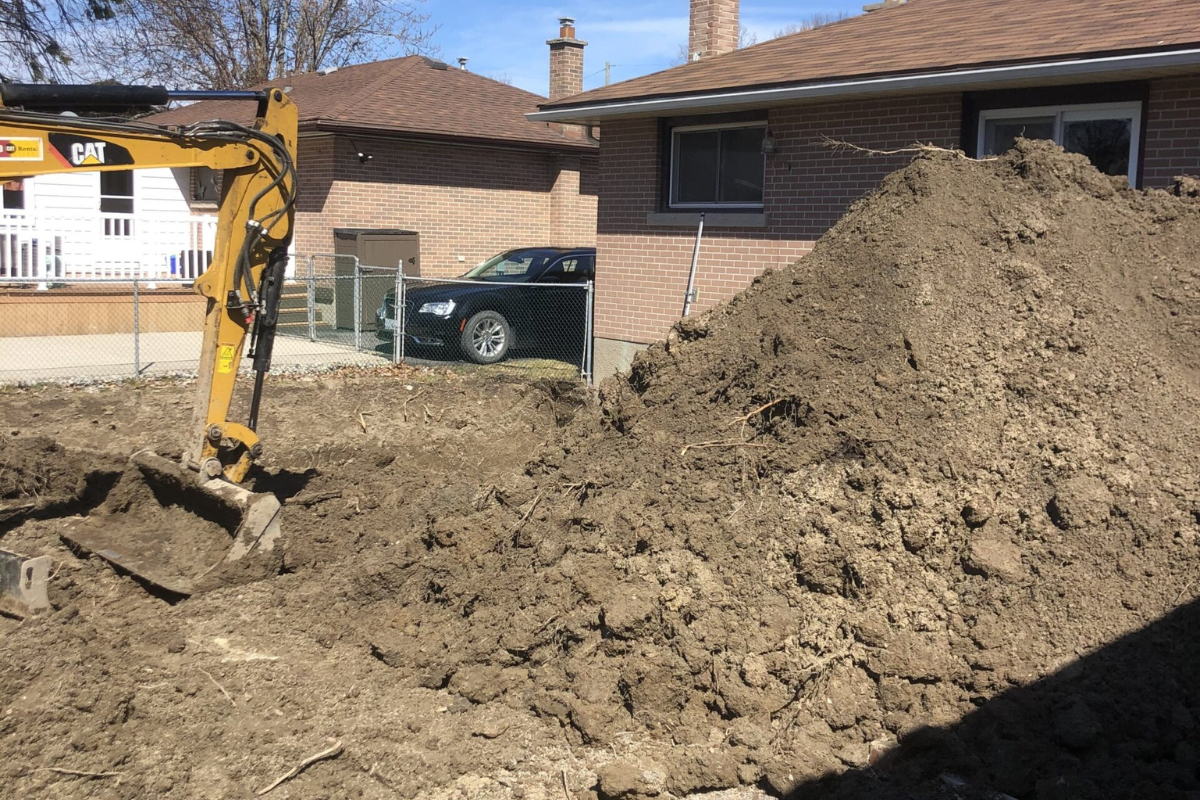
Soil Conditions and Site Engineering
Soil conditions play a major role in both residential excavation and commercial excavation, but the level of analysis differs. Residential excavation may rely on local experience and visual assessment combined with basic soil testing. Commercial excavation typically requires detailed geotechnical reports that assess soil bearing capacity, groundwater levels, and compaction requirements.
Ontario soils can vary widely from sandy loam to heavy clay, each presenting unique challenges. Clay soils expand and contract with moisture changes, making proper excavation and backfilling essential for both residential excavation and commercial excavation. Poor soil management can lead to settlement issues, drainage failures, and structural damage over time.
Understanding how excavation techniques adapt to soil conditions helps property owners appreciate the importance of professional site preparation. This knowledge also highlights why excavation projects should never be rushed or treated as interchangeable across property types.
Drainage and Long Term Site Performance
Drainage planning is a critical difference between residential excavation and commercial excavation. Residential excavation focuses on directing water away from foundations, driveways, and landscaped areas to protect the home. Proper grading and drainage solutions reduce the risk of basement leaks and soil erosion.
Commercial excavation must address much larger drainage demands. Parking lots, rooftops, and paved surfaces generate significant runoff that must be managed through engineered systems such as catch basins, storm sewers, and retention areas. Ontario municipalities often require detailed drainage plans as part of commercial excavation approvals.
Effective drainage design protects not only the structure but also surrounding infrastructure and neighbouring properties. Poor drainage planning during excavation can result in costly repairs and regulatory issues down the line.
Project Timelines and Coordination
Residential excavation projects often move quickly once permits are in place. Homeowners may see excavation completed within days depending on project complexity. Communication between the property owner and excavation contractor is typically straightforward.
Commercial excavation timelines are longer and more structured. These projects must align with engineering schedules, inspections, and subsequent construction phases. Delays during commercial excavation can impact multiple stakeholders, making proactive planning essential.
Choosing the Right Excavation Approach
Understanding the differences between residential excavation and commercial excavation allows property owners to set realistic expectations and choose the right excavation partner. Residential excavation prioritizes precision, access management, and foundation protection, while commercial excavation emphasizes scale, regulatory compliance, and long term site performance.
Working with a contractor who understands both residential and commercial excavation ensures that site preparation aligns with the specific needs of the project. Learning more about excavation services and company experience can help property owners make informed decisions before work begins.
Conclusion
Residential excavation and commercial excavation serve distinct purposes and require different approaches, equipment, and planning strategies. From soil conditions and drainage to permits and project coordination, these differences directly impact the success of a construction project. Property owners who understand how residential excavation compares to commercial excavation are better prepared to protect their investment and ensure long term site stability.
Whether planning a home project or a large scale development, partnering with an experienced excavation team helps navigate Ontario regulations and site challenges with confidence. For property owners considering excavation work, connecting with a knowledgeable excavation contractor provides clarity and support throughout the process.