
Excavation work is rarely straightforward, especially on developed or residential properties. Even well planned projects can encounter unexpected obstacles once ground is broken. Property challenges when excavating are common across Ontario due to soil variability, climate conditions, aging infrastructure, and site constraints. Understanding these challenges before excavation begins is critical for protecting the property, maintaining safety, and keeping projects on schedule.
For homeowners and commercial property owners, excavation challenges often appear suddenly and without warning. Experienced excavation professionals anticipate, assess, and manage these challenges through careful planning and site specific solutions. Addressing property challenges when excavating early reduces costly delays, helps prevent structural issues, and supports the long term performance of the completed work.
This article outlines the most common property challenges when excavating in Ontario and explains how professional excavation teams work around them to deliver safe and reliable results.
Restricted Site Access and Working Space Limitations
One of the most frequent property challenges when excavating involves limited access to the work area. Many Ontario properties are built on narrow lots or surrounded by existing structures, fencing, trees, or landscaping that restrict equipment movement. Urban neighbourhoods, waterfront properties, and older subdivisions often present significant access limitations.
Restricted access affects equipment selection, excavation sequencing, and material removal. Large excavation machinery may not be able to reach the work area without disturbing surrounding features. Professional excavation teams assess access points early in the planning process and determine how best to stage equipment and materials without damaging the property.
By selecting appropriate machinery and adjusting excavation methods, excavation teams manage access limitations without compromising safety or quality. Completed excavation projects demonstrate how careful planning allows excavation work to proceed even on challenging sites.
Unstable or Variable Soil Conditions
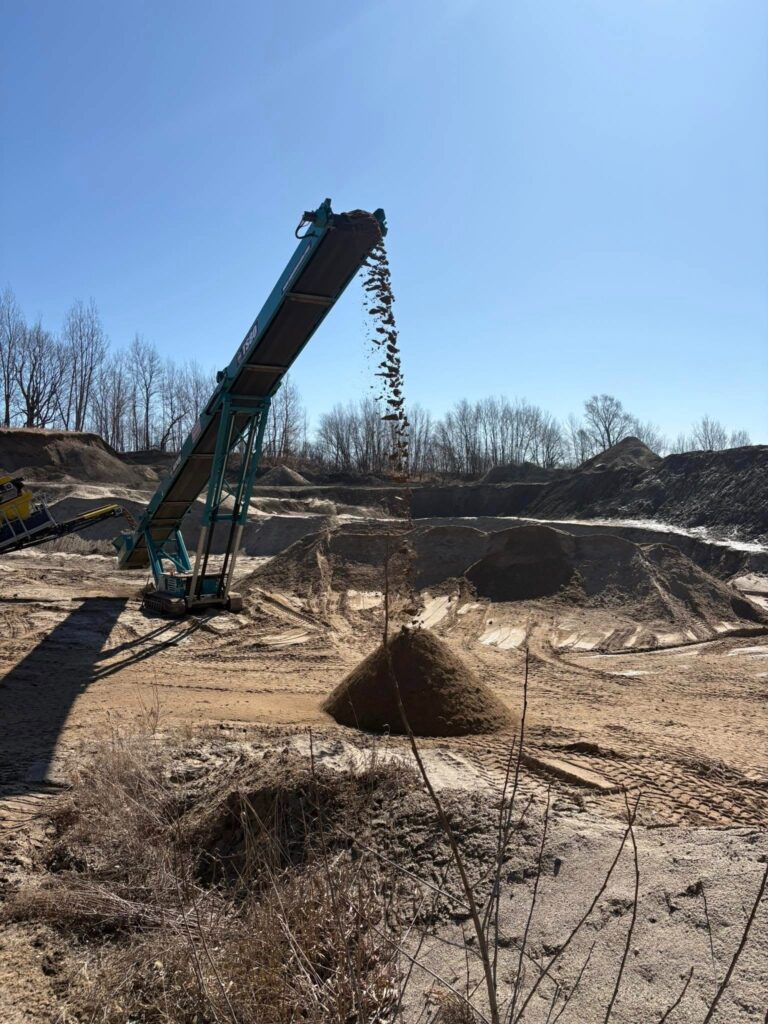
Soil variability is a major contributor to property challenges when excavating across Ontario. Clay soils, sandy deposits, and mixed fill materials behave differently under excavation conditions. Clay heavy soils retain moisture and expand, while sandy soils may collapse without proper support.
Unstable soil increases the risk of trench wall failure, uneven settlement, and long term drainage problems. Professional excavation contractors evaluate soil conditions based on regional knowledge and on site observations before excavation begins. Adjustments to trench design, excavation depth, and soil handling are made to suit the specific soil profile of the property.
Managing soil conditions correctly protects nearby structures and ensures foundations, drainage systems, and underground services perform as intended over time. Poor soil management during excavation can result in costly repairs years after the project is completed.
High Water Tables and Groundwater Intrusion
Water management is one of the most complex property challenges when excavating, particularly in areas with high water tables or poor natural drainage. Many Ontario properties experience seasonal groundwater fluctuations, especially in spring and after heavy rainfall.
Groundwater intrusion can destabilize excavation walls, delay progress, and compromise soil integrity. Excavation teams often require dewatering solutions and temporary drainage measures to keep excavation areas dry and stable. They design these measures carefully to prevent erosion and protect neighbouring properties.
Experienced excavation teams plan around groundwater conditions by timing work appropriately and implementing site specific water control strategies. Drainage focused excavation services described within M. Riddle Excavating services reflect the importance of proper water management during excavation.
Existing Underground Utilities and Infrastructure
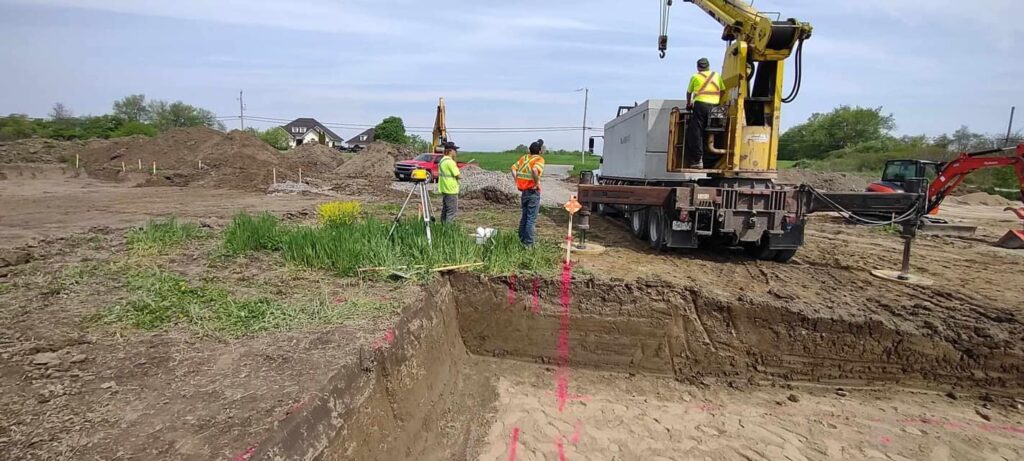
Hidden utilities represent one of the most serious property challenges when excavating. Older properties often lack accurate documentation for sewer lines, water services, electrical conduits, gas lines, and drainage systems, especially those developed decades ago.
Utility strikes pose safety risks and can result in significant service disruptions and repair costs. Professional excavation teams coordinate utility locates and follow established safe digging practices. Information provided by Ontario One Call supports accurate identification of underground infrastructure before excavation begins.
When unexpected utilities are discovered, excavation plans are adjusted to protect existing systems and maintain compliance with safety regulations. This proactive approach prevents damage and ensures excavation work proceeds responsibly.
Working Near Existing Foundations and Structures
Excavating close to existing buildings introduces another layer of complexity. Older foundations may lack modern reinforcement, making them more vulnerable to movement during excavation. Property challenges when excavating near structures include soil displacement, vibration concerns, and settlement risks.
Professional excavation contractors use controlled excavation techniques and staged digging to reduce stress on nearby structures. Continuous monitoring ensures that any movement is identified early and addressed immediately. These practices help protect foundations, retaining walls, and adjacent buildings throughout the excavation process.
Experience plays a critical role when working near structures. Careful planning and execution minimize risks and protect both the property and surrounding infrastructure.
Drainage Patterns and Surface Water Flow
Improper drainage is both a cause and consequence of excavation challenges. Surface water flow patterns may change once excavation begins, especially on sloped properties or sites with existing drainage issues. Managing these changes is essential to prevent erosion and water accumulation.
Professional excavation planning considers existing grading, runoff direction, and soil permeability. Temporary and permanent drainage solutions are integrated into excavation work to maintain proper water flow and protect soil stability.
Drainage considerations outlined in excavation project planning help ensure long term performance and reduce the likelihood of future water related issues.
Environmental and Regulatory Constraints in Ontario
Environmental regulations and municipal bylaws contribute to property challenges when excavating. Excavation teams must respect setback requirements, tree protection zones, erosion control measures, and permit conditions throughout the excavation process.
Ontario regulations, including guidance provided through the Ontario Building Code, influence excavation depth, shoring requirements, and safety practices. Information from the Ontario Ministry of Municipal Affairs and Housing provides standards that excavation professionals must follow.
Experienced contractors navigate these requirements by coordinating permits, implementing erosion controls, and adjusting excavation plans to remain compliant. Failure to account for regulatory constraints can result in delays, fines, or required remediation.
Seasonal Weather Impacts on Excavation
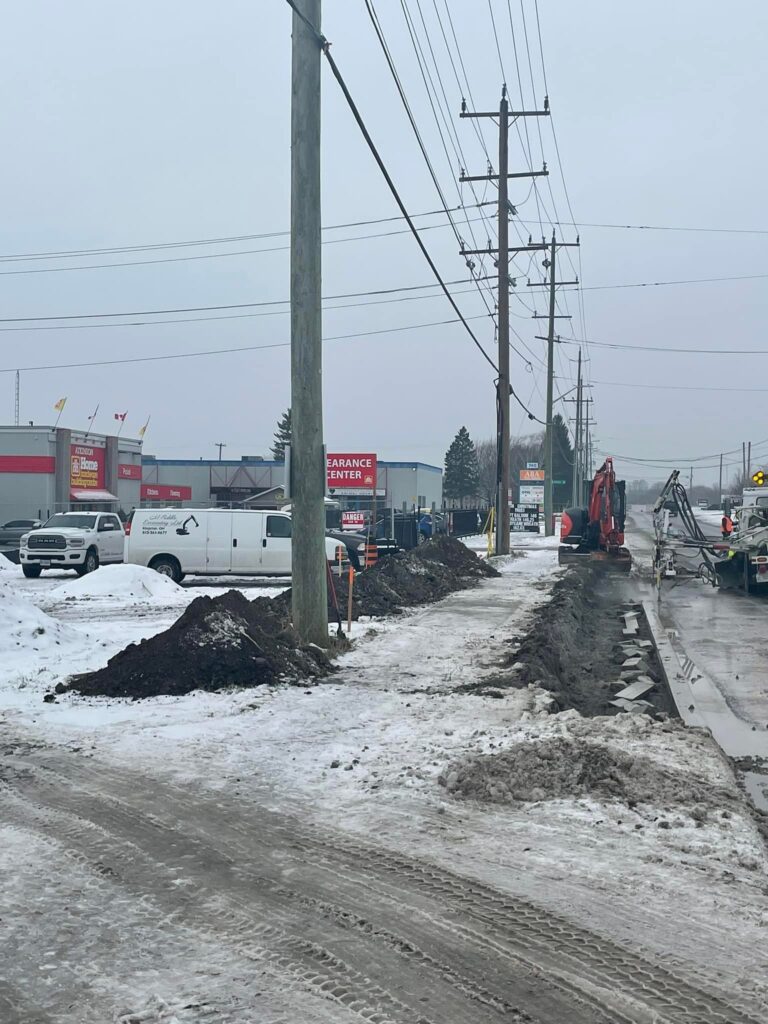
Ontario’s climate introduces seasonal property challenges when excavating. Frozen ground in winter, saturated soil in spring, and heavy rainfall in fall all influence excavation conditions. Seasonal planning is essential to maintain safety and efficiency.
Professional excavation teams adapt schedules, equipment, and techniques based on seasonal conditions. Proper planning helps prevent soil instability, water infiltration, and weather related delays. Seasonal considerations discussed in excavation planning articles highlight the importance of timing and preparation.
How Professional Planning Reduces Property Risk
The common thread across all property challenges when excavating is the need for thorough planning and experienced execution. Professional excavation teams conduct detailed site assessments and develop flexible plans that account for known and potential challenges.
Working with an experienced contractor ensures excavation work is completed safely, efficiently, and in compliance with Ontario regulations.
Final Thoughts
Property challenges when excavating are a normal part of site work, especially in Ontario where soil conditions, climate, and infrastructure vary widely. Limited access, unstable soil, groundwater conditions, hidden utilities, and regulatory requirements directly shape how excavation teams plan and execute projects.
Excavation teams manage these challenges effectively through careful planning, the right equipment, and experienced oversight. Addressing property challenges when excavating early protects the property, supports long term performance, and reduces unexpected costs.
When you plan excavation work, a knowledgeable excavation contractor ensures proper execution from the start. For project discussions or site assessments, contacting M. Riddle Excavating provides an opportunity to address challenges before they become problems.