
Foundation problems have always been a serious concern for Ontario property owners. However, foundation repairs in 2026 look different than they did even five years ago. Rising material costs, stricter building standards, evolving drainage requirements, and improved repair technologies are all influencing how homeowners approach structural issues.
Understanding what has changed helps property owners make informed decisions, protect their investment, and avoid costly long term damage. Whether dealing with cracks, settlement, water intrusion, or structural shifting, foundation repairs in 2026 require careful planning and professional oversight.
Why Foundation Repairs in 2026 Are Getting More Attention
Ontario’s climate continues to play a major role in foundation deterioration, but the conversation in 2026 has shifted beyond seasonal temperature swings. Today, prolonged wet periods, rapid snowmelt events, and higher annual rainfall totals are creating sustained hydrostatic pressure against foundation walls. When soil remains saturated for extended periods, it loses stability and places continuous lateral force on below grade structures.
According to the Canadian Climate Institute, many regions in Ontario are experiencing changing precipitation patterns, including more frequent heavy rainfall events. These shifts directly affect groundwater levels and soil bearing capacity around residential foundations.
As a result, foundation repairs in 2026 are increasingly focused on long term water management strategies rather than isolated crack repair. Contractors now prioritize drainage correction, soil stabilization, and exterior waterproofing improvements to address the underlying environmental conditions contributing to structural stress.
Updated Ontario Building Code and Compliance Considerations
One of the most important shifts affecting foundation repairs in 2026 involves building code enforcement and inspection standards. The Ontario Building Code sets structural and drainage requirements for foundation construction and modification. Municipalities are placing stronger emphasis on proper permitting, particularly when structural excavation or underpinning is involved.
According to Ontario’s Ministry of Municipal Affairs and Housing, structural alterations to foundations require permits and must meet engineering standards. Repairs that alter load bearing components or modify drainage systems fall under regulated construction activity.
This means foundation repairs in 2026 often require coordination between excavation contractors, structural engineers, and municipal inspectors. Homeowners who attempt unpermitted structural repairs risk complications during future property sales or refinancing.
Professional contractors familiar with Ontario requirements ensure compliance while protecting long term structural performance.
Improved Drainage Standards and Waterproofing Methods
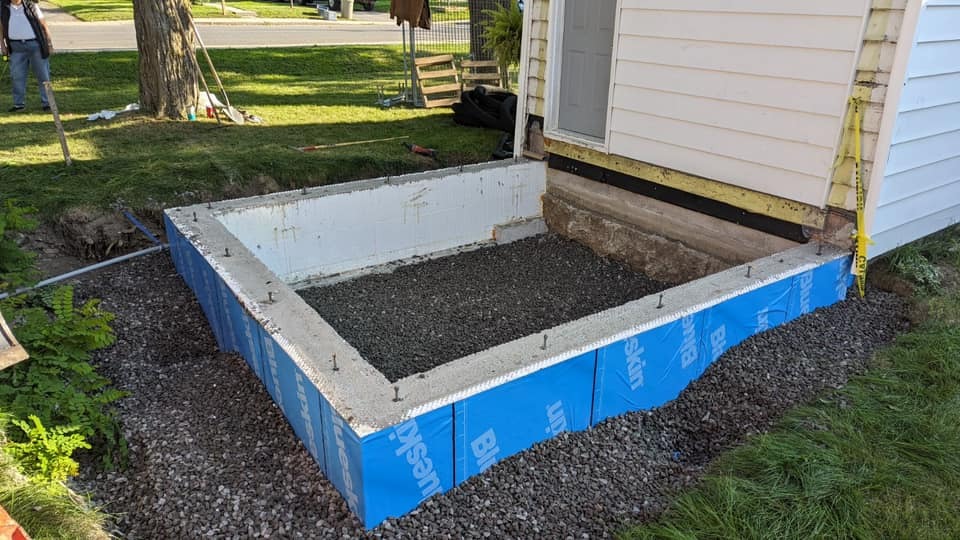
Water remains the leading cause of foundation damage. In 2026, foundation repairs increasingly integrate comprehensive drainage solutions rather than isolated repairs.
Modern waterproofing systems now include exterior membrane barriers, improved weeping tile systems, and enhanced sump pump technology. The Canadian Government emphasizes the importance of proper exterior drainage and grading to protect foundations from water accumulation.
When foundation repairs in 2026 involve excavation, contractors often assess:
- Perimeter drainage performance
- Soil grading and slope away from the structure
- Downspout discharge locations
- Frost depth protection
Rather than treating a crack alone, repairs often address the underlying hydrostatic pressure causing the issue. This integrated approach reduces repeat failures and long term moisture damage.
Rising Material and Labour Costs in 2026
Like much of the construction industry, foundation repairs in 2026 reflect increased material and labour costs. Concrete, steel reinforcement, drainage pipe, and waterproof membranes have all experienced price fluctuations in recent years.
Skilled trades availability also influences project timelines. Structural foundation repair requires experienced excavation operators, formwork specialists, and in some cases structural engineers.
While costs have increased, investing in timely foundation repairs in 2026 often prevents significantly larger expenses later. Minor cracks left untreated can develop into structural movement that requires underpinning or wall stabilization.
Transparent estimates and clear scope definitions help homeowners understand exactly what the repair includes, particularly when excavation and soil replacement are required.
Advancements in Foundation Repair Technology
Technology has significantly influenced foundation repairs in 2026. Contractors now use improved diagnostic tools, including moisture detection systems and foundation level measurements, to identify structural movement early.
Helical piers and push pier systems have become more common for addressing settlement. These systems transfer structural load to stable soil layers deeper below grade. When properly engineered, they provide long term stabilization for sinking foundations.
Exterior crack injection systems have also improved. Modern epoxy and polyurethane materials offer greater flexibility and adhesion, particularly in fluctuating temperatures and weather conditions.
Despite technological advancements, proper excavation and soil preparation remain essential. Repair systems fail when underlying soil instability is not corrected. Reviewing completed structural and excavation projects helps homeowners understand how site preparation supports long term foundation performance.
Climate Change and Soil Movement in Ontario
Climate patterns continue to shift across Ontario. Periods of drought followed by intense rainfall create extreme soil expansion and contraction cycles. Clay heavy soils common in many regions are especially vulnerable to movement.
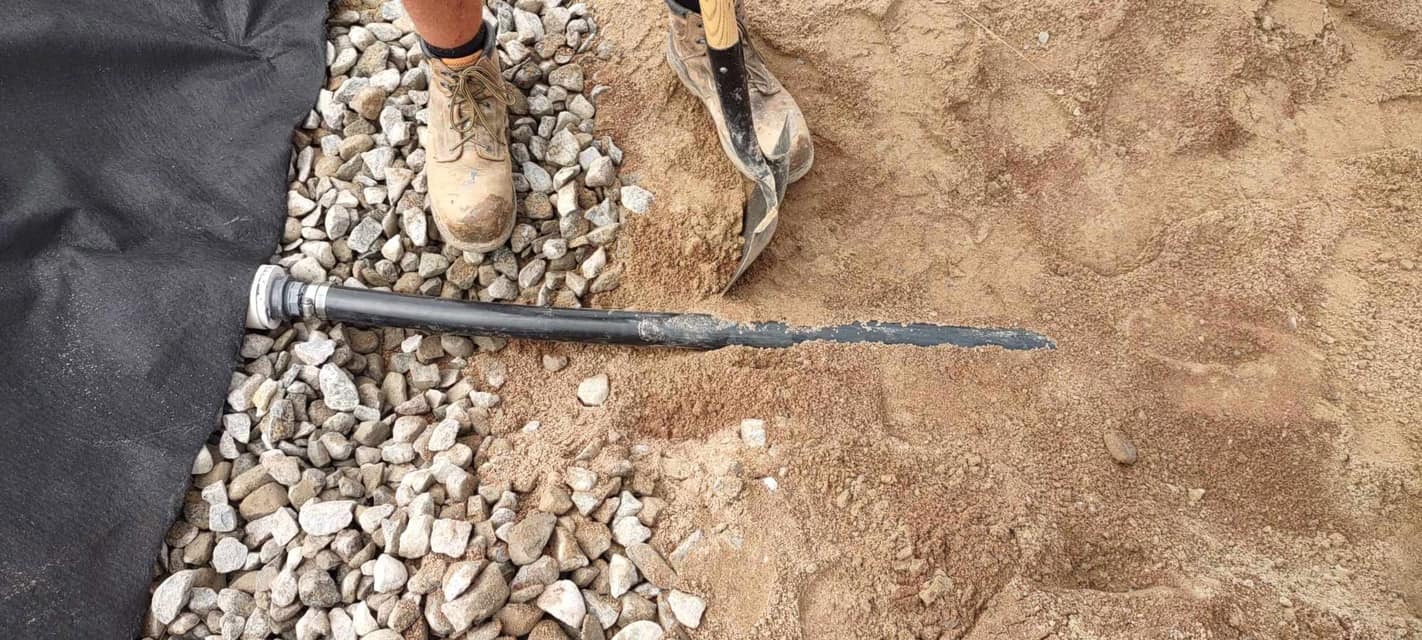
Foundation repairs in 2026 increasingly incorporate soil stabilization strategies. These may include improved compaction practices, granular backfill installation, and regrading to redirect surface water away from structures.
Ignoring exterior grading often results in recurring water intrusion, even after internal crack repair. Addressing both structural and environmental factors creates longer lasting outcomes.
Insurance and Real Estate Implications
Foundation damage affects more than structural stability. In 2026, insurance providers and home inspectors will pay closer attention to previous repairs and drainage systems.
Documented foundation repairs in 2026 that include permits, inspection approvals, and professional excavation records provide reassurance during resale. Undocumented or cosmetic repairs may raise red flags during property transactions.
Buyers increasingly request foundation assessments before closing. Proper documentation protects both sellers and future owners.
Professional excavation companies that understand regulatory requirements and structural standards contribute to smoother property transactions. Homeowners considering repair work can connect with an experienced team to discuss project specifics.
Preventative Maintenance Matters More Than Ever
One of the biggest shifts surrounding foundation repairs in 2026 is the emphasis on prevention. Contractors and engineers consistently stress the importance of proactive site maintenance.
Simple preventative steps include maintaining proper grading, cleaning eavestroughs, extending downspouts, and monitoring small cracks for expansion. Addressing minor issues early reduces the likelihood of structural underpinning later.
Professional site evaluations help identify drainage concerns before structural damage occurs. Learning more about experienced excavation professionals provides insight into how preventative grading and drainage improvements protect foundations long term.
Foundation repairs in 2026 are no longer viewed as isolated fixes. They are part of a broader property protection strategy.
What Homeowners Should Expect When Planning Foundation Repairs in 2026
Homeowners planning foundation repairs in 2026 should expect a thorough assessment process. This often includes structural evaluation, exterior grading review, and drainage system inspection.
Projects involving excavation require careful coordination to protect landscaping, utilities, and neighbouring properties. Ontario’s frost depth requirements must also be considered when excavating around foundation walls.
Clear communication remains essential. A reputable contractor explains:
- The root cause of the foundation issue
- The recommended repair method
- Permit requirements if applicable
- Expected project timeline
- Long term maintenance considerations
Transparent planning builds trust and ensures repairs meet both structural and regulatory standards.
Conclusion
Foundation repairs in 2026 reflect a more comprehensive and regulated approach to structural protection. Updated Ontario building code enforcement, improved drainage standards, rising material costs, and climate driven soil movement all influence how repairs are performed.
Rather than focusing solely on visible cracks, foundation repairs in 2026 address moisture management, soil stability, and long term structural integrity. Proper excavation, drainage correction, and professional oversight play critical roles in successful outcomes.
For Ontario homeowners, the key takeaway is clear. structural and drainage requirements, professional planning, and code compliant repairs protect both property value and structural safety. As environmental conditions and building standards continue to evolve, thoughtful and well executed foundation repairs in 2026 ensure homes remain stable, dry, and secure for years to come.