A septic system inspection is one of the most important maintenance steps a property owner can take in Ontario. Unlike municipal sewer systems, private septic systems require direct oversight to remain functional and compliant with provincial standards. Without periodic assessment, small problems can develop into major failures that contaminate groundwater, damage soil, and result in expensive repairs or full system replacement.
Many Ontario homeowners are uncertain about how frequently a septic system inspection should occur and what the process actually involves. Understanding inspection intervals, what assessors evaluate, and how proper site conditions affect long term performance helps property owners stay ahead of problems and protect their investment.
Why a Septic System Inspection Matters in Ontario
Ontario’s regulatory framework for private sewage systems is outlined under the Ontario Building Code and the Building Code Act. Property owners are responsible for ensuring their systems remain in good working order. A septic system inspection provides documentation that a system is functioning properly and identifies any deficiencies before they escalate into full system failures.
Rural properties and those on larger lots throughout Ontario rely heavily on these systems as the only means of wastewater treatment. When a septic system fails, the consequences extend beyond the property itself. Effluent reaching groundwater or surface water sources creates environmental hazards that affect neighbouring properties and local ecosystems. Regular septic system inspection protects both the individual property and the broader community.
Recommended Septic System Inspection Frequency
The general recommendation from Ontario health and environment authorities is that a septic system inspection should occur at least every three to five years, depending on household size, system type, and usage patterns. The Ontario Onsite Wastewater Association advises that tanks be pumped every three to five years as part of routine maintenance, with a full inspection conducted at the same time to assess the condition of all components.
Households with higher occupancy or systems that handle greater daily water volumes may require more frequent assessment. A septic system inspection every two to three years becomes more appropriate when usage consistently exceeds typical single family levels. Older systems, particularly those installed before modern Ontario construction standards were established, also benefit from more frequent evaluations to catch early signs of structural deterioration or leaching bed failure.
Low occupancy properties such as seasonal cottages or secondary residences present a different challenge. Infrequent use can allow solids to accumulate without sufficient wastewater flow to support bacterial activity. A thorough septic system inspection before seasonal opening and after extended periods of inactivity helps confirm that the system is ready for resumed use.
What a Septic System Inspection Covers
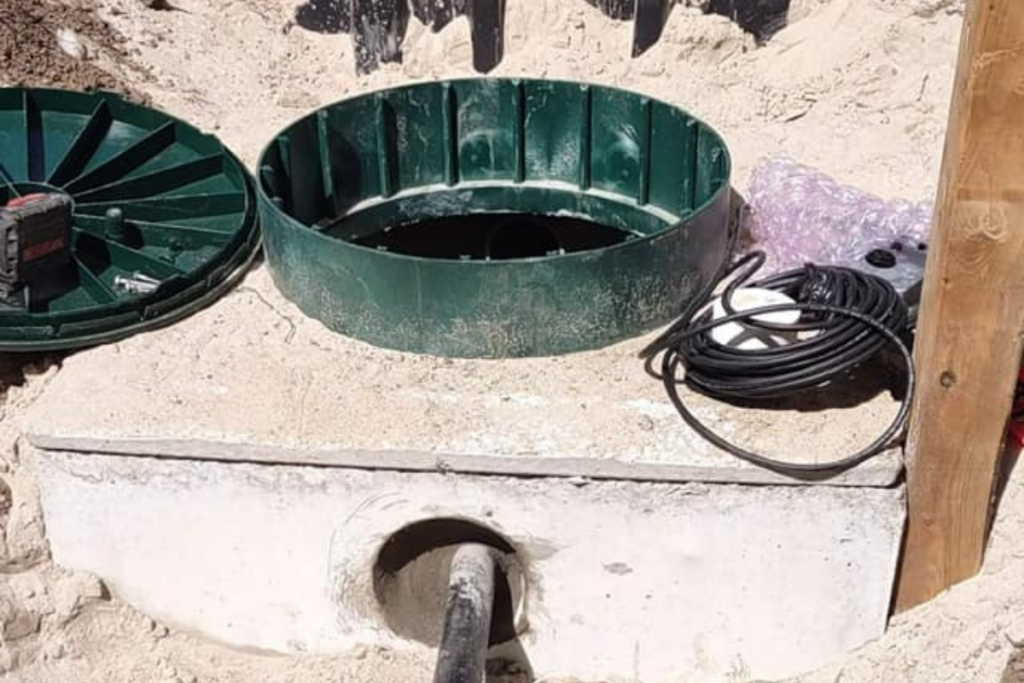
A comprehensive septic system inspection evaluates multiple components of the system rather than just the tank. Inspectors assess the condition of inlet and outlet baffles, the structural integrity of the tank itself, the effluent level relative to expected operating ranges, and the overall function of distribution pipes leading to the leaching bed.
The leaching bed receives particular attention during a septic system inspection. Signs of effluent surfacing, unusual vegetation patterns, standing water above the bed, or soil compaction all indicate potential problems with absorption capacity. In Ontario’s clay-heavy soils, saturation and compaction are common contributors to leaching bed stress. Inspectors also check whether surface drainage patterns direct water toward or away from the system, since incoming surface runoff accelerates saturation and reduces treatment capacity.
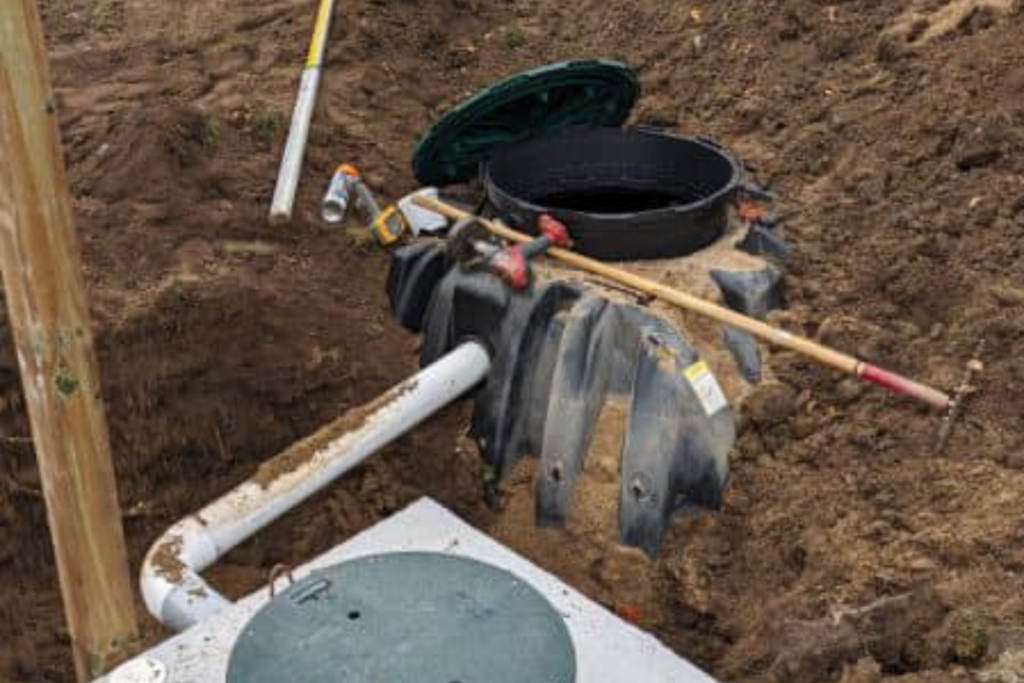
Risers, access lids, and distribution boxes are checked for structural integrity and security. Inspectors confirm that components are accessible for future maintenance and that no tree roots or debris have compromised distribution lines. Experienced excavation professionals understand how grading, soil type, and site preparation affect long term system performance, which makes their involvement in inspections and any follow up work especially valuable.
When to Schedule a Septic System Inspection
Several situations call for a septic system inspection outside of the regular maintenance schedule. Property transactions are one of the most common triggers. Buyers and sellers in Ontario benefit from a detailed inspection that confirms the system is functioning properly and identifies any outstanding repair requirements before a sale closes. Financial institutions and real estate professionals frequently require this documentation as part of due diligence.
Renovations that add bedrooms, bathrooms, or increase the total occupancy of a property affect wastewater output. Before adding load to an existing system, a septic system inspection determines whether the current capacity can support the increased demand or whether upgrades are necessary. Proceeding without this assessment risks overloading a system and causing premature failure.
Visible warning signs also justify an immediate inspection. Slow draining fixtures throughout the home, sewage odours near the tank or bed, wet or spongy ground above the leaching area, or unusually dark green grass above distribution lines all suggest that the system needs assessment. Rather than waiting for a scheduled interval, contacting a qualified excavation and septic professional promptly when these signs appear prevents minor problems from escalating.
The Connection Between Site Conditions and Inspection Outcomes
The findings from a septic system inspection are directly influenced by the quality of the original installation and ongoing site conditions. Proper burial depth, soil preparation, and grading establish the foundation for long term system reliability. According to guidance on onsite wastewater management, soil conditions and site characteristics play a central role in how effectively a septic system treats and disperses wastewater.
Properties where surface drainage has not been properly managed often show recurring problems during inspection. Water accumulating near the tank or leaching bed saturates soil, limits absorption capacity, and accelerates component deterioration. Reviewing past excavation work and running a site assessment gives inspectors helpful context for evaluating current system performance relative to its original installation conditions.
Where systems have experienced past failures or required significant repairs, the inspection record becomes part of the property’s maintenance history. Detailed documentation supports future septic system projects and provides evidence of responsible ownership, which matters during property transactions and permit applications.
Preparing for a Septic System Inspection
Homeowners can take several steps before an inspection to ensure the assessment proceeds smoothly. Locating records from the original installation, including as-built drawings and any permits issued by the local health unit, gives inspectors accurate reference points for system layout and designed capacity. These documents are particularly useful on older properties where visual locating of underground components may be difficult.
Avoiding heavy vehicle or foot traffic over the tank and leaching bed in the days leading up to the inspection preserves surface conditions that inspectors use to assess drainage and compaction. If the tank has not been pumped recently, scheduling pumping immediately before or as part of the septic system inspection allows for a thorough visual assessment of internal baffles and the tank structure.
Homeowners should also track and share information about any symptoms they have noticed, including specific fixtures that drain slowly, areas of the yard that seem unusually wet, or any odours detected near the system. This operational history assists inspectors in focusing their assessment and identifying patterns that point to specific underlying issues.
Long Term Benefits of Regular Septic System Inspection
Committing to regular septic system inspection protects property value, prevents environmental liability, and reduces the likelihood of costly emergency repairs. Ontario properties in rural settings depend on these systems as critical infrastructure, and neglect creates risks that extend well beyond a single property boundary.
A well documented inspection history also demonstrates responsible stewardship to municipal officials, prospective buyers, and insurance providers. In communities across Ontario where older systems are common, properties with current and consistent septic system inspection records stand out as lower risk assets in an otherwise uncertain market.
Scheduling routine assessments, addressing early warning signs without delay, and working with knowledgeable professionals who understand Ontario soil conditions and provincial regulations keeps systems performing reliably for decades. Properties that have benefited from proper installation and ongoing care, as reflected in completed excavation projects across Ontario, demonstrate how proactive maintenance and quality site preparation combine to support long term system health.
Whether managing a year-round residence or a seasonal property, the consistent answer to how often a septic system inspection should occur is: regularly, proactively, and with the support of professionals who understand the specific demands of Ontario’s climate and soil conditions.
Get a Free Septic Quote
Get a free quote today. Call M. Riddle Excavating at 613-545-7955 or request a free quote online. Learn more about our septic system installation and replacement services in Kingston and Frontenac County.