
Weeping tile plays a critical role in protecting foundations, managing groundwater, and preserving soil stability across Ontario properties. When this drainage infrastructure fails, homeowners often face basement flooding, soil erosion, or compromised foundation integrity. Understanding how weeping tile works, what causes it to deteriorate, and how repair and replacement are carried out helps property owners make informed decisions before minor drainage problems become major structural concerns.
Ontario’s seasonal extremes place ongoing stress on buried drainage systems. Weeping tile that functioned well for decades can deteriorate faster than expected. Particularly in older properties where original materials have reached the end of their service life.
What Weeping Tile Does and Why It Matters
Weeping tile refers to a perforated pipe system installed around the perimeter of a foundation or beneath a drainage field to collect and redirect groundwater away from structures and soil zones that cannot absorb excess moisture. Despite the name, weeping tile no longer refers to clay tile sections used in older installations. Modern systems use corrugated or rigid perforated plastic pipe. The pipe is then surrounded by a gravel bed and filter fabric to allow water infiltration while preventing soil intrusion.
In Ontario, weeping tile performs two primary functions. Exterior foundation drainage systems, sometimes called footing drains, intercept groundwater before it reaches the foundation wall. Interior systems collect moisture that penetrates the foundation and channel it toward a sump pit for removal. Both types rely on properly graded pipe, clean gravel surround, and functional outlets to perform correctly. When any component fails, the entire drainage balance shifts and problems emerge quickly.
Common Causes of Weeping Tile Failure in Ontario
Weeping tile systems fail for several reasons, many of which reflect Ontario’s particular soil composition and climate patterns. Clay-heavy soils, which are widespread across much of southern and central Ontario, shift and compress over time as moisture levels fluctuate. This movement can displace pipe sections, collapse joints, or pinch off flow in ways that go unnoticed.
Root intrusion from mature trees represents one of the more destructive causes of weeping tile failure. Fine feeder roots seek out moisture along pipe seams and perforations. These roots eventually filling the interior of the pipe and blocking flow entirely. Properties with large deciduous trees growing near the foundation face elevated risk, particularly where older clay tile systems still exist.
Age is also a significant factor. Clay tile systems installed before the 1980s were not designed to last indefinitely. These systems often show signs of collapse, sediment accumulation, or joint separation after several decades of service. Inspections conducted during property sales or basement renovation projects frequently uncover weeping tile systems that are partially or fully non-functional.
According to the Ontario Building Code requirements for drainage systems, proper drainage management around foundations is essential to structural performance and long-term building safety.


Signs That Weeping Tile Repair or Replacement May Be Needed
Property owners often notice drainage problems through indirect signs rather than direct inspection of buried pipe. Persistent basement dampness, wet spots appearing along foundation walls after rainfall, or standing water pooling near the home’s perimeter all suggest drainage system stress. A sump pump that runs continuously during wet seasons may indicate that the exterior weeping tile has failed.
In more severe cases, foundation cracks, efflorescence on basement walls, or soil settlement near the foundation can point to long-term drainage failure. These conditions develop gradually and reflect sustained moisture pressure that a functioning weeping tile system would otherwise prevent. Catching and addressing drainage failures early reduces the likelihood of foundation repairs becoming necessary.
Homeowners who notice any of these warning signs should consider arranging a professional site assessment. Experienced excavation professionals can evaluate drainage conditions, identify failure points, and determine whether targeted repair or full system replacement represents the most cost-effective solution.
The Weeping Tile Repair and Replacement Process
Repairing or replacing weeping tile requires excavation around the affected area, which makes the scope of work more extensive than many homeowners initially anticipate. Exterior drainage repairs involve excavating along the foundation perimeter down to footing depth, removing deteriorated pipe and gravel, and installing new perforated pipe with fresh drainage stone and filter fabric. The excavated area must then be carefully backfilled and graded to support proper surface drainage.
Interior weeping tile replacement involves breaking up the concrete floor along the foundation perimeter, exposing and replacing the drainage pipe, and restoring the floor surface after installation. This approach avoids full exterior excavation but requires work inside the basement. This also typically involves installing or upgrading a sump pump system to handle collected water.
Partial repairs are sometimes appropriate when inspection reveals a localised blockage or collapsed section rather than system-wide failure. Hydro-jetting can clear root-impacted pipe where structure remains intact. Camera inspection equipment allows contractors to assess interior pipe conditions without excavation and pinpoint problem areas before any digging begins.
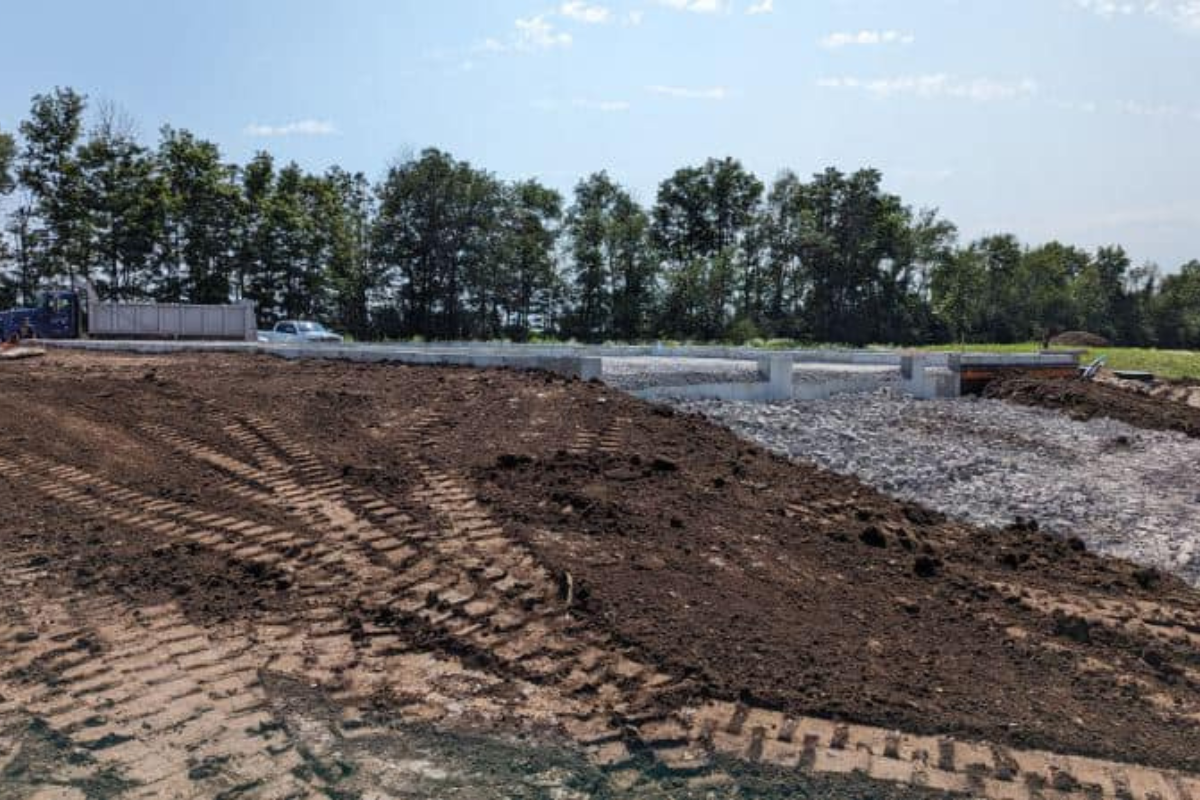
Properly planned foundation and drainage projects require attention to pipe grade, outlet connections, and backfill compaction. Inadequate compaction after replacement can cause future soil settlement. This occurance affects both drainage performance and surface conditions above the repair zone.
Soil Conditions and Site Factors Across Ontario
Ontario’s diverse soil landscape influences both how weeping tile systems perform and how repairs should be approached. Sandy soils in areas of eastern Ontario and cottage country drain freely but may shift more easily around pipe sections. Clay-dominant soils in the greater Toronto area and southwestern Ontario retain moisture longer. These soils also exert more lateral pressure on foundation systems, increasing the workload placed on drainage infrastructure.
Frost depth is another variable that affects weeping tile performance and installation standards. Ontario frost can penetrate well below the surface in exposed or poorly insulated conditions. Pipe runs that sit too close to the surface or that lose their gravel surround can freeze during cold periods. This tends to block drainage exactly when snowmelt and early spring rain demand maximum system capacity.
Site grading plays an equally important role. Proper grading directs surface water away from the foundation before it can saturate the soil and overwhelm subsurface drainage. Excavation contractors assess grading conditions as part of site preparation. This ensures that both surface and subsurface drainage work together rather than placing excess burden on the weeping tile alone.
Choosing the Right Contractor for Weeping Tile Work
Weeping tile repair and replacement involves significant excavation, an understanding of drainage principles, and knowledge of Ontario’s soil and climate conditions. Not all contractors approach this work with equal depth of experience. Property owners should look for excavation professionals who understand foundation drainage, perform camera inspections before recommending replacement, and provide clear explanations of the proposed work scope.
The National Building Code of Canada and Ontario’s provincial construction standards establish baseline requirements for drainage system installation. Working with contractors who apply these standards ensures that completed repairs meet minimum performance expectations and do not create liability issues during future property transactions.
Long-Term Property Protection Through Proper Drainage
A functioning weeping tile system contributes directly to the long-term stability of any Ontario property. Foundations that remain dry and free of hydrostatic pressure maintain their structural integrity far longer than those exposed to sustained moisture infiltration. Basement living space, mechanical systems, and storage areas all benefit from a drainage system that performs consistently through wet springs, summer downpours, and freeze-thaw cycles.
Property owners investing in weeping tile replacement should also evaluate related drainage elements at the same time. Downspout extensions, window well drains, and yard grading that direct water toward the foundation undo the benefits of a newly installed drainage system. Addressing the full drainage picture during a repair project reduces the likelihood of follow-up work in subsequent years.
Protecting Your Investment With Informed Decisions
Weeping tile repair and replacement represents one of the more significant drainage investments Ontario homeowners and commercial property owners will make. Understanding the causes of failure, recognising early warning signs, and selecting qualified contractors who work to applicable standards all contribute to outcomes that deliver lasting protection.
Ontario’s climate places real demands on underground drainage infrastructure. Properties that receive proactive drainage attention and timely system replacement hold their value better and avoid the compounding costs that follow unchecked foundation moisture. Whether dealing with a decades-old clay tile system or a more recent installation showing early signs of distress, acting before conditions worsen is always the more cost-effective path.
Property owners who want to understand more about site preparation, drainage management, or excavation practices can contact a qualified excavation professional to discuss their specific site conditions and receive an accurate assessment of what their drainage system requires.