
Lot grading certificates are documents that many Ontario property owners encounter during construction, renovation, or property sale, yet few fully understand before they need one. Whether you are building a new home, adding a structure to an existing property, or closing a permit file with the municipality, lot grading certificates serve as the official confirmation that grading work meets approved standards. Understanding what they are, who issues them, and when they apply helps property owners avoid delays, financial holdbacks, and compliance complications.
In Ontario, surface drainage management sits at the core of responsible land development. How water moves across and away from a property affects neighbouring lots, municipal storm systems, foundation integrity, and long term soil stability. Lot grading certificates verify that the contractor executed this management correctly and delivered results that align with the approved plan.
What Lot Grading Certificates Actually Confirm
A lot grading certificate is a formal document issued by a qualified professional, confirming that the grading of a lot has been completed in accordance. It functions as the “built as promised” verification at the end of a construction or site alteration process.
The approved grading plan, submitted earlier in the permit process, establishes proposed elevations, surface slopes, swale locations, and drainage direction. Once construction wraps up, a qualified professional conducts a site inspection to confirm the finished grades match that approved plan. When they do, the certifying professional issues and submits lot grading certificates to the municipality.
Lot grading certificates typically confirm that positive drainage directs surface water away from the building foundation. It also confirms that grading does not adversely affect adjacent properties, and that drainage features meet the specified elevations. In essence, the certificate closes the loop between what the grading plan specified and what the contractor delivered.
Who Can Issue Lot Grading Certificates in Ontario
In Ontario, lot grading certificates must be signed by a licensed Professional Engineer (P.Eng.) or an Ontario Land Surveyor (O.L.S.), depending on the municipality. Some municipalities also accept Certified Engineering Technologists (C.E.T.) in certain contexts. The issuing professional must conduct an on-site inspection, typically within 30 days prior to signing, to confirm certificate accuracy.
The professional who designed the original grading plan most commonly issues the lot grading certificate. This is because they have direct knowledge of the approved specifications and can identify whether the final grades conform. This continuity between design and certification reduces errors and supports a cleaner municipal review process.
Property owners cannot self-certify grading work. Lot grading certificates carry professional accountability, meaning the engineer or surveyor takes responsibility for confirming compliance. Municipalities rely on this professional sign-off to release grading securities and close permit files.
When Lot Grading Certificates Are Required
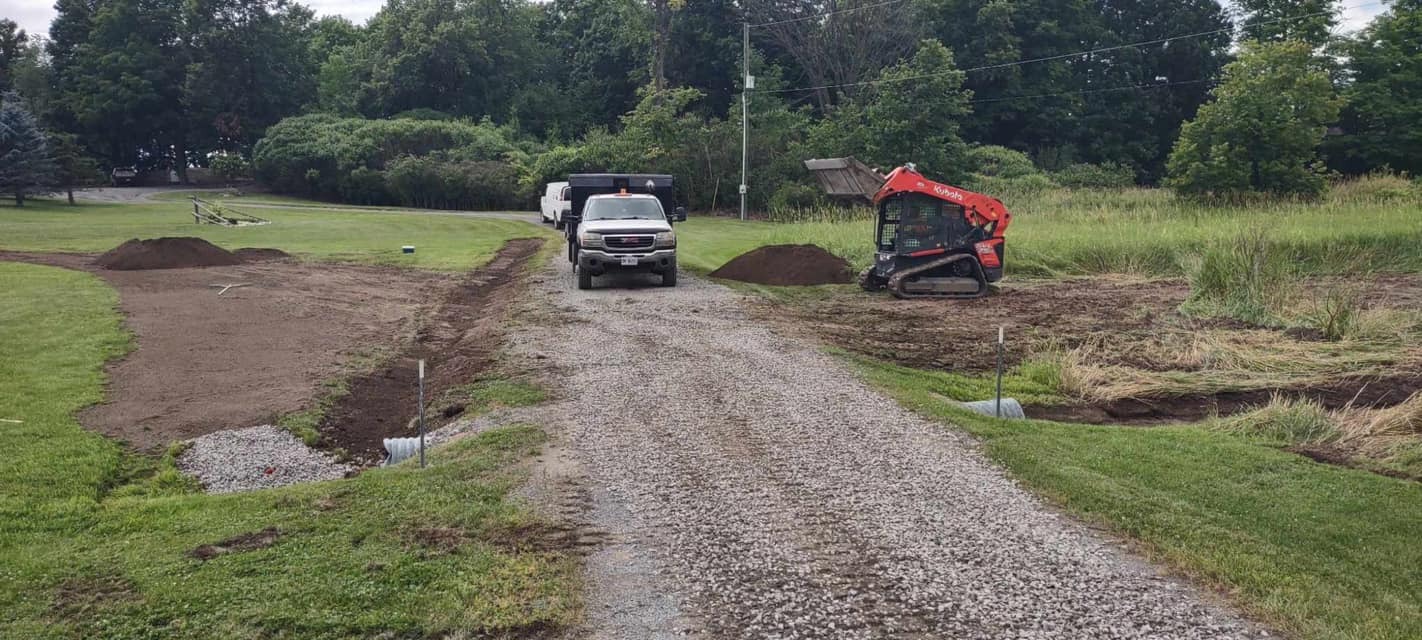
New residential construction triggers the requirement for lot grading certificates most frequently, particularly in subdivision developments. When a developer registers a subdivision, the municipality typically holds grading securities until individual lot owners complete final grading and submit lot grading certificates. Without the certificate, the municipality keeps those securities held and the permit file stays open.
New home construction in most Ontario municipalities triggers the requirement for both a lot grading plan at the permit application stage and a lot grading certificate upon completion. The City of Toronto, for example, requires a Lot Grading Consultant to issue a final lot grading certificate to Toronto Building upon completion of the final grades during construction. Similar requirements apply across municipalities throughout the Greater Golden Horseshoe and beyond.
Site alteration permits for residential properties can also trigger grading certification requirements. Installing a swimming pool, constructing a retaining wall, significantly reshaping a yard, or undertaking drainage improvements may require an approved site alteration permit with grading oversight. Upon completion, lot grading certificates confirm that the alterations did not negatively affect drainage patterns or neighbouring properties.
Additions to existing homes sometimes require grading review depending on the scope and location of the project. If an addition changes the footprint of the building or affects grading near the foundation, the municipality may require an updated grading plan. They may also require upon completion, lot grading certificates to confirm drainage compliance. Consulting with the local building department early in the design process helps property owners understand what will be required.
The Connection Between Grading Plans and Lot Grading Certificates
Lot grading certificates do not exist independently. They are the final step in a process that begins with a well-prepared lot grading plan. The grading plan establishes the approved baseline for what drainage patterns, elevations, and slopes are expected. Lot grading certificates then confirm those expectations have been met.
In Ontario, grading plans must reflect the requirements set out under the Ontario Building Code. This specifies that every site must be graded so that stormwater does not accumulate and will not affect adjacent properties. The grading plan translates this requirement into measurable site-specific elevations and drainage directions.
Excavation contractors play a central role in ensuring the physical work aligns with what the grading plan specifies. Rough grading performed during the construction phase shapes the fundamental drainage patterns of the lot. If rough grades are not established correctly, achieving accurate final grades becomes significantly more difficult and costly.
Working with experienced excavation professionals who understand grading tolerances and municipal standards reduces the likelihood of compliance issues.
What Happens If Lot Grading Certificates Are Not Submitted
Failure to submit lot grading certificates where required has real consequences. For new construction in subdivisions, the developer or builder may withhold the grading deposit until they receive the certificate. Municipalities hold these securities specifically to ensure grading work meets the required standard. They will not release them until the certifying professional confirms compliance.
Open permit files can complicate property transactions. When a homeowner attempts to sell a property, title searches and real estate due diligence may reveal outstanding permit files. Resolving these issues at the point of sale often proves more costly and time-consuming than addressing them immediately after construction.
Non-compliance with grading requirements can also lead to drainage failures that cause property damage. Water pooling near foundations, runoff onto neighbouring properties, and surface erosion are outcomes that municipalities specifically work to prevent through grading regulation. If these problems arise and the grading was never properly certified, the property owner may face both liability and remediation.
Site Assessment and Proper Grading from the Start
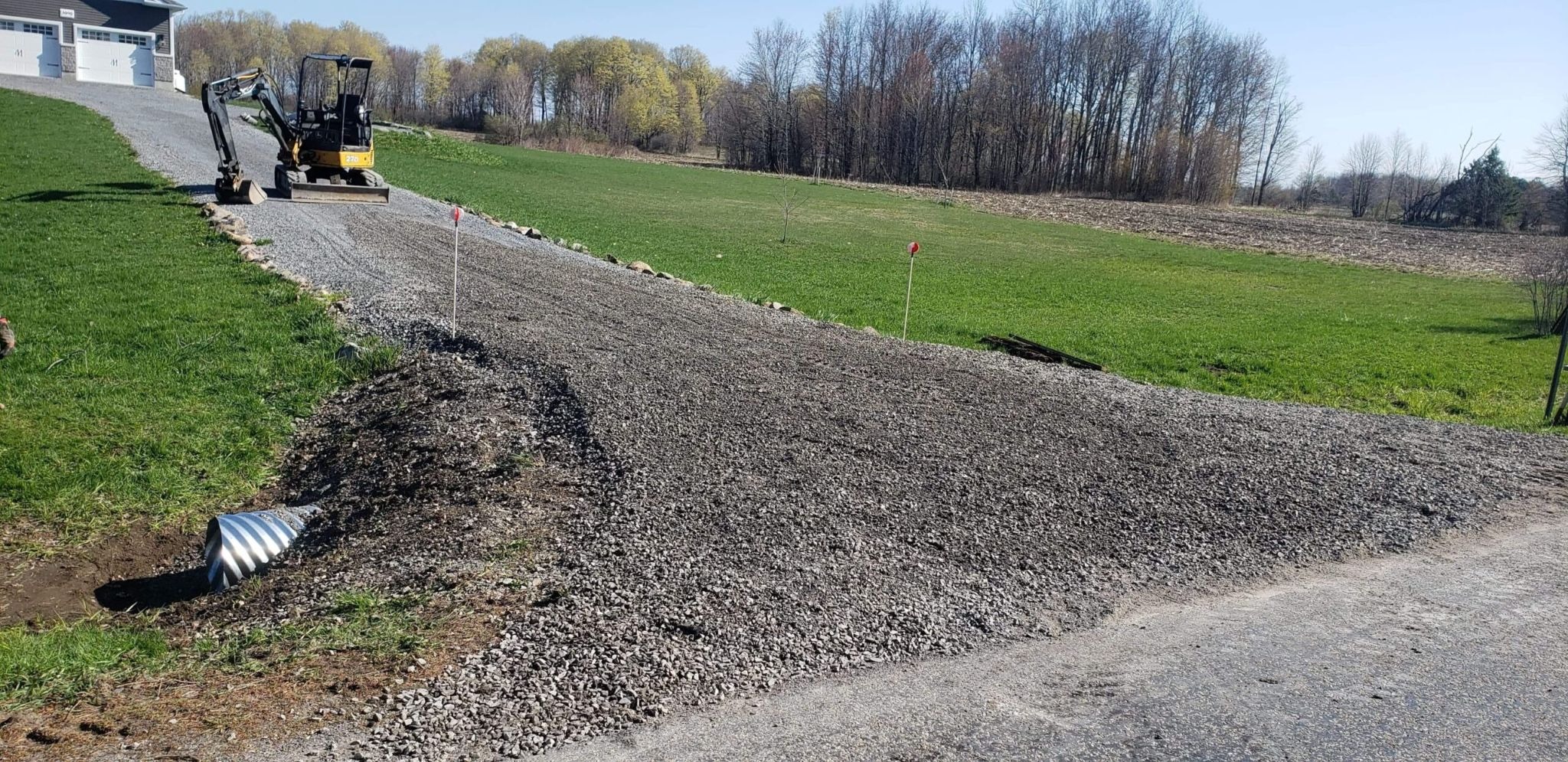
The most effective way to avoid complications with lot grading certificates is to approach grading correctly from the beginning of a project. That starts with a thorough site assessment before any excavation or earthmoving takes place. Understanding existing elevations, soil conditions, drainage patterns, and municipal grading criteria allows the project team to develop a grading plan that reflects achievable outcomes.
A detailed excavation site assessment evaluates soil composition, slope characteristics, proximity to property lines, and the relationship between proposed construction and existing drainage infrastructure. This informs the grading plan and sets the excavation contractor up to perform rough grading that matches the approved elevations.
In Ontario, soil conditions vary significantly across the province. Clay-heavy soils retain moisture and can shift seasonally, affecting grades over time. Sandy soils drain quickly but require careful compaction during backfill. Understanding how the local soil behaves under load and through frost cycles is part of responsible grading practice. It also contributes to the long term accuracy of the grading work that lot grading certificates are meant to confirm.
Municipal Variation Across Ontario
While the principle behind lot grading certificates remains consistent, the specific requirements vary considerably from one municipality to another. Some municipalities issue detailed grading procedures with required forms, deposit structures, and timelines. Others take a less prescriptive approach while still requiring compliance with the Ontario Building Code grading provisions.
The Township of Tiny, for example, requires a lot grading deposit of $5,000 at the time of building permit application, held until the municipality receives a satisfactory lot grading certificate. The Town of Oakville requires lot grading certification and stormwater device certification to be submitted when requesting a final inspection for the purpose of security releases, signed by an O.L.S. or P.Eng. within 30 days of their on-site inspection.
Property owners and contractors working across multiple Ontario municipalities benefit from verifying local requirements early. Property owners and contractors should consult with the Chief Building Official or the municipal engineering department before submitting an application. That conversation confirms whether the specific project and location trigger a lot grading plan and eventual lot grading certificate requirement.
Protecting Property and Long Term Land Stability
Lot grading certificates ultimately protect property owners, municipalities, and neighbouring landowners. Properly graded land directs surface water where it needs to go, supports foundation drainage, and prevents soil erosion that can undermine landscape stability over time. Professional scrutiny through the certification process catches grading deficiencies before they become costly problems rather than leaving compliance to assumption. For rural and semi-rural Ontario properties, where natural drainage patterns grow more complex and municipal storm infrastructure thins out, proper grading carries even greater importance.
The relationship between excavation quality and grading certification outcomes is direct. Accurate rough grading during construction minimises the correction needed at the final grade stage. Delays, re-grading costs, and permit complications most often trace back to grading that was not executed carefully from the start.
Lot grading certificates represent the formal close of a grading process. A process that begins well before the first site visit from a certifying engineer. Knowing when lot grading certificates are required, who must issue them, and how excavation and earthmoving quality shapes the outcome gives property owners and builders a clearer path through Ontario construction. Careful grading planning, precise execution, and proper certification produce a stable, compliant property that supports both immediate construction goals and long term land performance. For questions about how site grading works in practice, contact an experienced team familiar with Ontario municipal requirements from the planning stage through to final certification.