Insurance for sewer lines is a topic many Ontario homeowners overlook until a problem forces the issue. Underground pipe failures can result in significant property damage. Repair or replacement costs often run into the tens of thousands of dollars. Standard home insurance policies generally do not cover sewer line damage by default, which leaves many property owners exposed to serious financial risk. Understanding what coverage options exist, how they work, and when they apply gives homeowners the information they need to make informed decisions about protecting their property.
Ontario properties face particular challenges due to aging municipal infrastructure, soil movement, and root intrusion from mature trees. These conditions increase the likelihood of sewer line deterioration over time. Knowing whether insurance for sewer lines applies to your situation, and how that coverage interacts with the need for professional excavation and repair work, is essential for any homeowner managing long-term property risk.
What Standard Home Insurance Typically Covers
Most standard home insurance policies in Ontario cover sudden and accidental water damage that originates inside the home. A burst pipe inside the wall, for example, may qualify for coverage under the property damage portion of a policy. However, the lateral sewer line that runs from your home to the municipal connection sits in a different category.
The lateral sewer line is the homeowner’s responsibility. When that line cracks, collapses, or backs up due to root intrusion or ground movement, standard home insurance rarely applies. According to guidance from the Insurance Bureau of Canada, sewer backup and overland water coverage are typically sold as optional add-ons rather than included in base policies. Homeowners who have not added these endorsements may find themselves fully responsible for repair costs when underground infrastructure fails.
Sewer Backup Coverage as an Add-On
Sewer backup coverage is one of the most commonly available endorsements that functions as insurance for sewer lines. This add-on protects homeowners when sewage or wastewater enters the home through a drain, toilet, or sump pit. It typically covers interior cleanup, damage to personal property, and restoration of affected areas.
What sewer backup coverage does not usually include is the cost of excavating and replacing the failed pipe itself. The endorsement addresses the consequences of a backup inside the home, but the underlying infrastructure repair falls outside its scope. That distinction matters significantly when homeowners receive quotes for underground pipe replacement. Lateral sewer line repair and installation requires controlled excavation, proper disposal of damaged pipe, and careful backfill compaction to restore soil stability after the work is complete.
Service Line Coverage and What It Includes
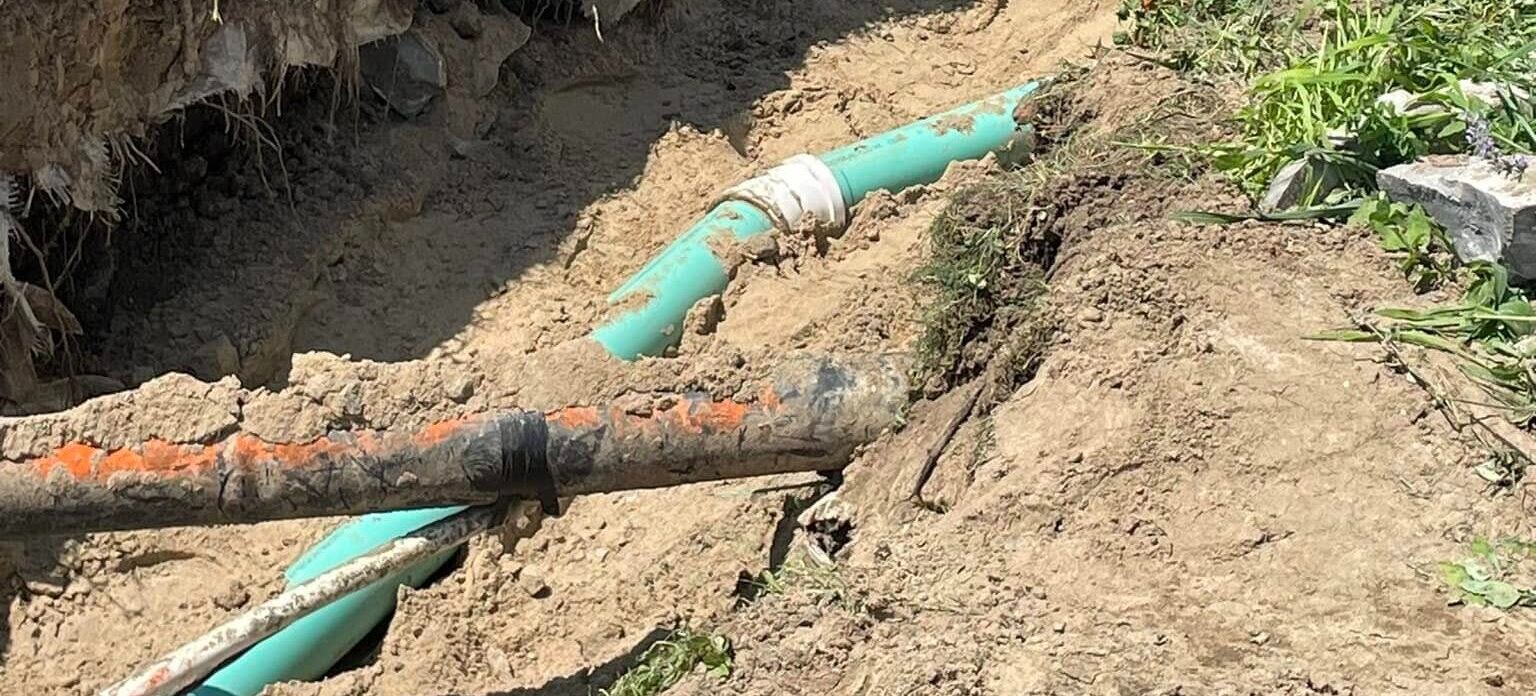
In recent years, some insurers operating in Ontario have begun offering service line coverage as a separate endorsement or standalone product. This type of insurance for sewer lines more directly addresses the physical infrastructure itself. Service line coverage typically applies when a utility line running to your home. This includes water supply lines, drainage pipes, and sewer laterals. These components can all suffer sudden and accidental damage from causes such as ground shifting, freezing, or root intrusion.
Service line coverage may reimburse homeowners for the cost of excavation, pipe repair or replacement, and surface restoration. Policy limits, deductibles, and exclusions vary by provider, so homeowners must review the specific terms carefully. Insurers frequently exclude pre-existing deterioration and gradual wear. This means older clay or cast iron pipes that have been degrading for years will often fall outside claim eligibility even when the failure appears sudden.
Homeowners considering this type of coverage should ask their insurer directly whether excavation costs are included. Some providers request evidence that the line was in good working condition before the failure. Proving so may involve camera inspections or maintenance records.
Municipal Programs and Home Assistance Initiatives
Beyond private insurance, some Ontario municipalities offer subsidy or assistance programs related to lateral sewer infrastructure. These programs vary significantly by region. Some municipalities offer partial reimbursement for homeowners who replace clay or concrete laterals with modern PVC pipe, as part of broader efforts to reduce inflow and infiltration into the municipal system.
The Ontario Ministry of Municipal Affairs and Housing oversees a range of programs that affect local infrastructure planning. Individual municipalities also publish their own resources for homeowners undertaking sewer-related upgrades. Checking with your local municipality before scheduling repair work can reveal financial assistance options that offset these costs.
These programs do not function as traditional insurance for sewer lines, but they can meaningfully reduce the financial burden of necessary underground work. Combining municipal rebates with appropriate private coverage endorsements gives homeowners the most comprehensive protection available.
When Sewer Line Failures Require Excavation
Regardless of the insurance or subsidy coverage in place, most sewer line failures ultimately require excavation to resolve properly. Here’s the rewritten sentence:
Tree root intrusion, pipe collapse, offset joints, and corrosion all compromise structural integrity in ways that no interior repair method can fully resolve. Cured-in-place lining technology has expanded the options for trenchless repair. However, many failures, particularly those involving severe collapse or displacement, still require traditional open excavation.
Proper excavation requires careful planning, especially in developed yards with existing landscaping, utility crossings, and structures nearby. Experienced excavation professionals evaluate site conditions before work begins, confirm the location of other underground services, and execute the work in a way that minimizes surface disturbance while fully exposing and replacing the damaged section of pipe.
After the new pipe is installed and inspected, controlled backfill compaction ensures that the soil returns to a stable state. Inadequate compaction after excavation can cause settlement, surface depression, and drainage problems that create secondary issues over time. The quality of the restoration work following pipe replacement is just as important as the pipe itself.
Documenting Your Sewer Line for Insurance Purposes
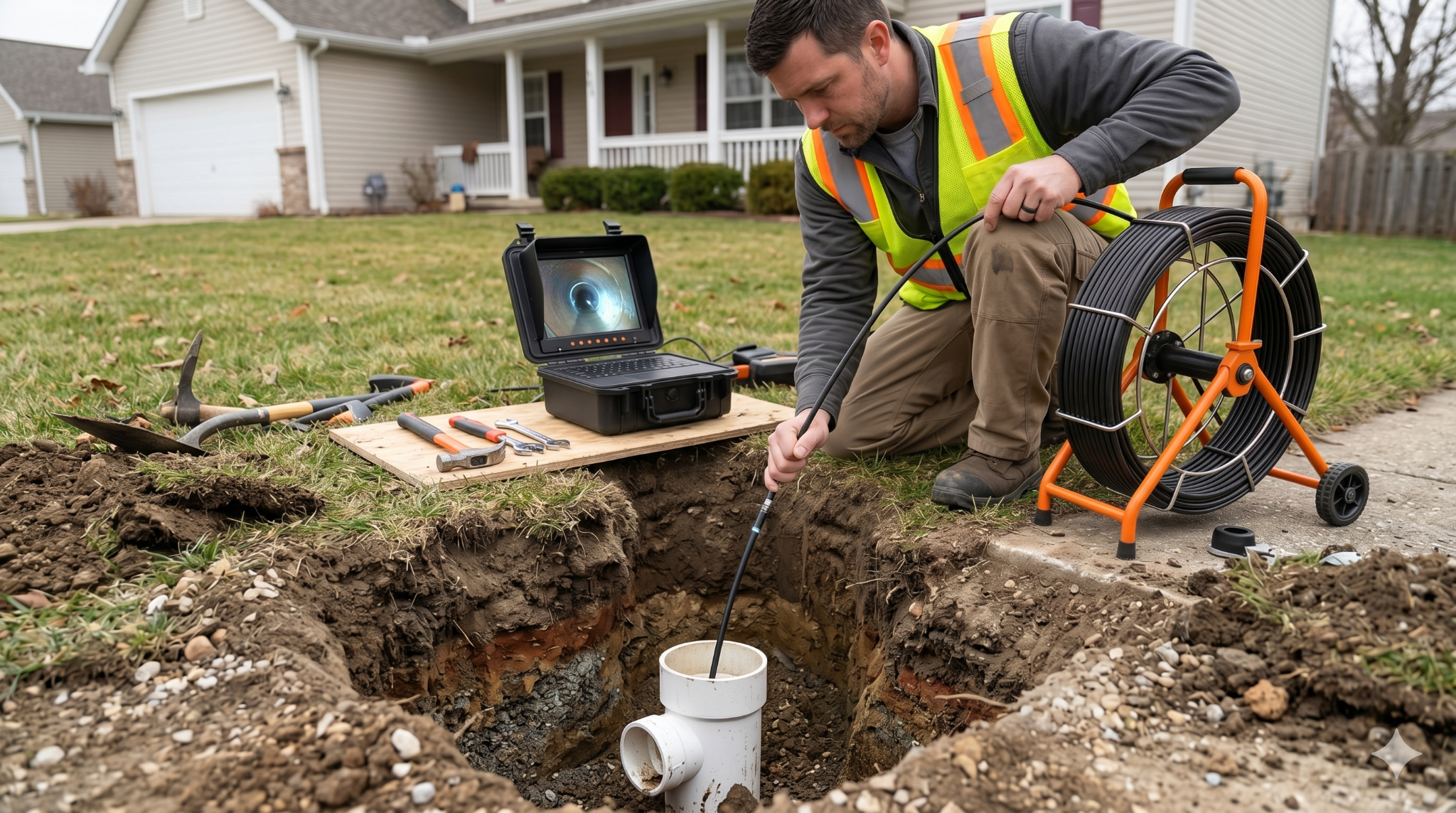
Homeowners who want to secure insurance for sewer lines and file successful claims should document the current condition of their lateral. A video camera inspection of the sewer line creates a baseline record that shows the pipe’s condition at a specific point in time. If a claim is later filed, that documentation demonstrates the line was functional before the insured event occurred.
Camera inspections also reveal existing issues such as root intrusion, cracking, or joint separation that a homeowner may not be aware of. Addressing minor problems before they become major failures reduces long-term costs and demonstrates to insurers that the property has been properly maintained. Insurance providers generally look more favourably on claims from homeowners who can demonstrate proactive maintenance behaviour.
Completed excavation and sewer projects across Ontario illustrate how pre-repair site assessments and thorough documentation support better outcomes, both for the physical work and for any insurance involvement.
Protecting Your Property Through Informed Planning
Insurance for sewer lines fills an important gap in standard home insurance coverage, but it works best as one part of a broader approach to underground infrastructure management. Ontario homeowners who know what their policies cover, what add-ons to secure, and when to call a professional excavation contractor put themselves in a far stronger position to manage the real costs of sewer line failure.
Reviewing your existing home insurance policy to determine whether sewer backup or service line coverage is included is a practical first step. If those endorsements are missing, requesting quotes and comparing options costs nothing and could prevent significant financial hardship. Pairing appropriate coverage with proactive inspection and maintenance creates a strong foundation for long-term property protection.
When failure does occur, working with a qualified excavation contractor ensures the repair meets local standards and that the restored site is safe and stable. Reaching out to M. Riddle Excavating to discuss site conditions, repair scope, and project planning gives homeowners the professional guidance they need to move forward confidently after a sewer line failure.