
Underpinning in Ontario has become an increasingly relevant topic for homeowners dealing with aging foundations, basement lowering, and shifting soil. As properties age and land use evolves, many structures across the province require foundational reinforcement that goes beyond surface level. Understanding when underpinning becomes necessary and what the associated excavation process involves helps property owners make informed decisions before investing in structural work.
Ontario’s diverse soil composition, frost cycle, and building stock create conditions where underpinning in Ontario addresses both emergency structural concerns and planned renovation goals. Whether a homeowner wants to increase usable basement height or a structural engineer has identified foundation movement, the process follows a defined sequence that begins long before any concrete is poured.
What Underpinning in Ontario Actually Means
Underpinning refers to the process of strengthening or deepening an existing foundation to increase its load-bearing capacity. In Ontario, this work typically becomes necessary when the original foundation no longer provides adequate support. This could be due to soil deterioration, nearby construction, changes in structural load, or the desire to lower a basement.
The most widely used method in residential settings is mass concrete underpinning, sometimes called the pit method. This approach involves excavating sections beneath the existing footing in a carefully staged sequence to avoid compromising structural stability. Each section is then filled with concrete and allowed to cure before the next section begins. This staged approach distributes load safely throughout the process and remains the standard for underpinning in Ontario residential projects.
Other methods include beam and base underpinning. This introduces a reinforced beam to transfer load across new piers, and mini-pile or screw pile underpinning. The appropriate method depends on soil conditions, the extent of foundation damage, project goals, and the structural engineer’s assessment.
When Underpinning in Ontario Becomes Necessary
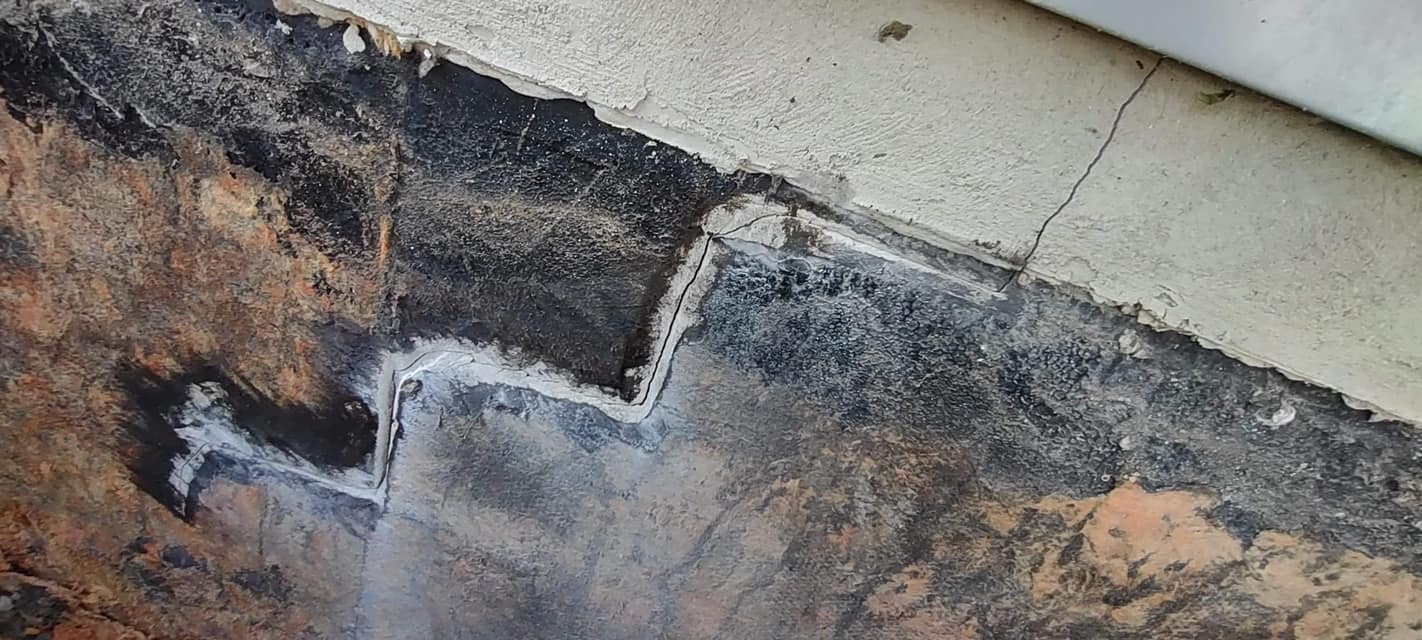
Several conditions trigger the need for underpinning in Ontario. Foundation settlement is one of the most common. When soil beneath a footing compresses unevenly, the foundation moves, causing cracking in walls, sticking doors and windows, and visible separation between structural elements. Left unaddressed, differential settlement can compromise the structural integrity of the entire building.
Basement lowering represents another major driver of underpinning work across Ontario. Many older homes were constructed with basement heights that no longer meet modern living expectations. Homeowners seeking to convert basements into liveable, legally habitable space often discover that the existing footing depth prevents them from achieving adequate ceiling height without intervention. Underpinning in Ontario solves this by deepening the foundation perimeter so the floor slab can be excavated and poured at a lower elevation.
Proximity to new construction or underground infrastructure can also destabilize existing foundations. Neighbouring excavation work, new sewer or utility trenching, and changes to adjacent properties can alter drainage patterns and soil support. In these situations, underpinning protects the existing structure from ongoing movement.
Ontario’s freeze-thaw cycle presents unique challenges for shallow foundations. Frost heave, which occurs when moisture in soil expands during freezing temperatures, can displace footings that were originally installed above the frost line. According to Ontario Building Code requirements, foundations must extend below the frost depth for the region to prevent this type of movement. Where older footings fall short of this standard, underpinning corrects the deficiency.
The Excavation Process Behind Underpinning
Excavation forms the backbone of underpinning in Ontario projects. Before any structural work begins, the site must be assessed to determine soil conditions, groundwater, and the depth of footings. This assessment guides how the excavation will be staged and what shoring or support systems will be required.
The excavation contractor typically works in close coordination with the structural engineer throughout the project. Excavation begins from inside the basement in residential underpinning scenarios, with material removed in the defined pin sequence to maintain structural balance. Outside excavation may also be required to provide access to foundation walls or to manage drainage around the perimeter.
Soil conditions in Ontario vary considerably by region. Clay-heavy soils common in parts of Southern Ontario retain moisture and can shift seasonally. Gravel and sand-based soils drain more readily but may lack cohesion during deep excavation. Identifying the soil profile before underpinning begins ensures the excavation approach accounts for these regional differences. Experienced excavation professionals assess site-specific conditions before committing to any excavation strategy.
Proper shoring protects workers and prevents uncontrolled soil movement during excavation. Depending on the depth and scope of the project, hydraulic shoring, timber shoring, or sheet piling may be installed. This protective infrastructure remains in place until the new concrete sections gain sufficient strength to support the foundation load.
Permits and Regulatory Requirements
Underpinning in Ontario requires building permits in virtually all cases. Because the work directly affects a structure’s foundational integrity, municipalities require permit applications that include engineered drawings prepared by a licensed structural engineer. The permit process ensures independent review of the design and confirms the work will meet Ontario Building Code standards.
Property owners should not proceed with underpinning work without obtaining all required approvals. Unpermitted foundation work can create serious problems when selling the property, obtaining mortgage financing, or filing insurance claims. Contractors who perform underpinning without permits also expose themselves and their clients to significant legal and financial liability.
Municipal building departments across Ontario have established inspection requirements at multiple stages of underpinning projects. These inspections verify that excavation depths, concrete quality, and structural sequencing align with the approved drawings. Staying informed on the hazards and compliance protects homeowners and ensures the work meets long-term performance standards.
Site Preparation and Drainage Considerations
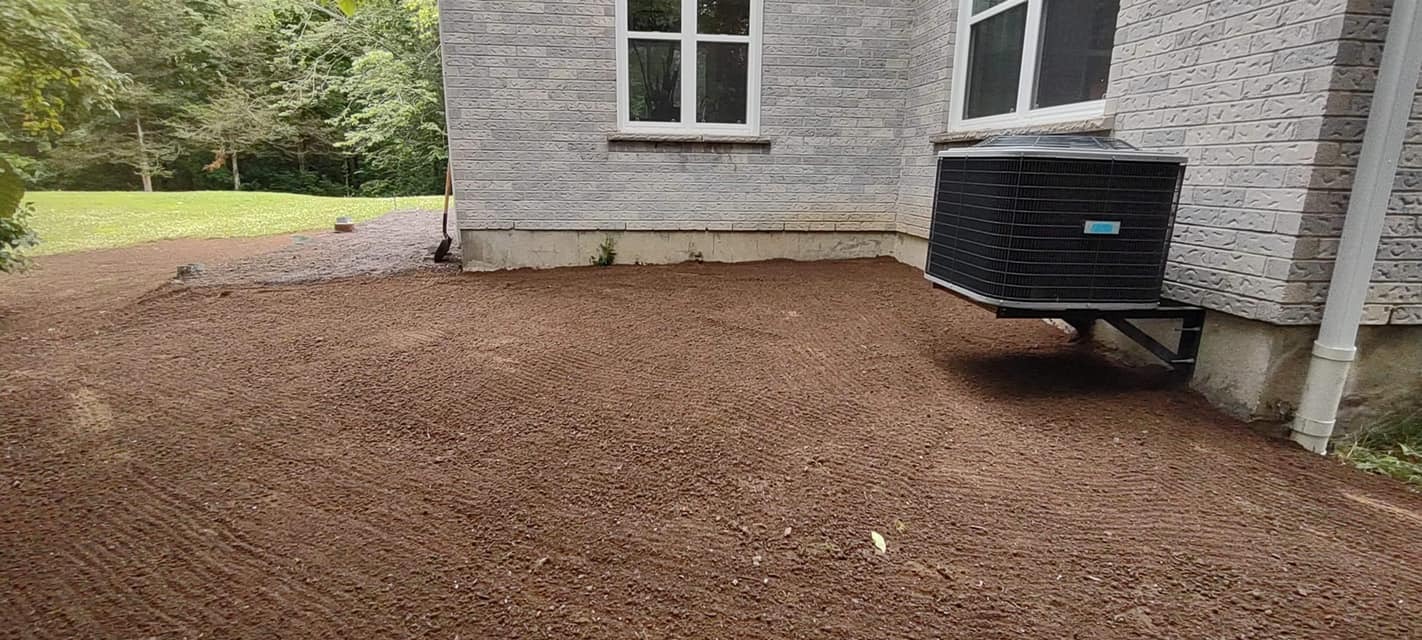
Effective site preparation before underpinning in Ontario reduces the risk of complications during excavation and installation. Grading around the foundation perimeter should direct surface water away from the structure. Accumulated moisture near the footing level increases hydrostatic pressure and can destabilize soil during excavation.
In many Ontario underpinning projects, drainage improvements run parallel to the foundational work. Installing or upgrading weeping tile systems, waterproofing foundation walls, and addressing surface grading issues while the perimeter is already open reduces future risk and avoids repeat excavation. Reviewing completed site preparation and drainage projects provides useful context for what coordinated foundation and drainage work involves.
Backfilling after underpinning completion requires careful attention to compaction and material selection. Improperly compacted backfill can settle unevenly, create voids beneath the slab, or direct water toward the newly reinforced foundation. Excavation contractors with structural foundation experience understand how backfill decisions affect both immediate stability and long-term performance.
Working With Qualified Professionals
Underpinning in Ontario demands collaboration between licensed structural engineers, qualified excavation contractors, and municipal building officials. No single party holds all the required expertise, and the interaction between their respective roles determines project quality and safety.
Selecting a contractor with direct experience in foundation excavation and underpinning work matters considerably. Underpinning differs from standard excavation in that mistakes during the staged removal process can transfer load unevenly and damage the structure being repaired. Contractors familiar with Ontario soil conditions, building code requirements, and proper sequencing bring a depth of site-specific knowledge that protects both the property and the people involved.
The Ontario Association of Home Inspectors and other professional bodies provide guidance on evaluating foundation conditions and identifying when professional intervention is warranted. Homeowners who suspect foundation movement should seek qualified inspection before conditions worsen.
Property owners can reach out to experienced excavation and site preparation specialists to discuss project requirements, site conditions, and the scope of excavation involved in underpinning work.
Long-Term Outcomes and Property Protection
Properly executed underpinning in Ontario extends the usable life of a structure and protects the investment homeowners have made in their property. A reinforced foundation that reaches stable bearing soil eliminates ongoing movement, reduces crack recurrence in interior finishes, and provides a stable platform for future renovations or additions.
Basement lowering through underpinning transforms low-clearance spaces into functional living areas, adding both usable square footage and market value. When paired with waterproofing, insulation improvements, and proper egress windows, a newly underpinned basement meets current building standards and contributes meaningfully to the overall property assessment.
For rural Ontario properties on well and septic systems, ensuring that foundation work does not disturb nearby infrastructure requires coordinated planning. Excavation near septic leaching beds, water supply lines, or drainage fields demands detailed site mapping before work begins. Thoughtful coordination between the excavation and site services team ensures that underpinning work proceeds without disrupting critical systems.
Underpinning in Ontario remains a technically demanding but well-understood process when approached with proper planning, qualified professionals, and respect for the province’s regulatory requirements. Homeowners who invest in understanding the process before committing to a contractor are better positioned to evaluate proposals, ask the right questions, and protect their property from the risks that compromised foundations create.