
Raised bed septic systems provide a critical solution for Ontario properties where conventional septic installation is not possible. When soil conditions, water table levels, or lot geometry prevent standard below-grade installation, a raised bed septic system offers a regulated, engineered alternative that can still meet provincial performance requirements. Property owners who know when sites need raised bed septic systems and what installation involves plan more effectively and avoid unexpected costs.
Across rural Ontario, many properties face site limitations that rule out traditional septic designs from the outset. Raised bed septic systems address those limitations by elevating the treatment and dispersal components above natural grade, creating suitable conditions where the existing soil cannot provide them. For homeowners navigating a new build, a failing system replacement, or a property purchase in an area with challenging soils, knowing the basics of raised bed septic systems can make a meaningful difference in decision-making and budget planning.
What Are Raised Bed Septic Systems and Why Are They Used
Raised bed septic systems are engineered wastewater treatment installations built above the existing ground surface using imported fill material. Rather than relying on native soil for effluent absorption and treatment, these systems introduce a prepared medium that provides the necessary filtration and dispersal capacity. The raised structure typically consists of gravel, sand, or engineered fill contained within a defined area, with distribution pipes running through the bed to spread effluent evenly.
The primary reason raised bed septic systems are specified in Ontario comes down to inadequate separation distance between the natural water table and the bottom of a conventional leaching bed. Provincial regulations require a minimum vertical separation between the dispersal zone and seasonally high groundwater. On properties where that distance does not exist naturally, raising the bed above grade creates the separation artificially. High water tables, shallow bedrock, and fine-textured soils that drain poorly are the most common triggers for this system type.
Ontario Regulatory Requirements for Raised Bed Septic Systems
The Ontario Building Code and the Ontario Water Resources Act govern the design, installation, and maintenance of all private sewage disposal systems in the province, including raised bed septic systems. Permits are required before any raised bed septic system can be installed. The design must be prepared or reviewed by a qualified professional.
Municipalities and local health units administer the approval process in most areas of Ontario. Conservation Authorities may also have jurisdiction near water bodies or sensitive landscapes. The Ontario Onsite Wastewater Association provides guidance on operating and maintaining private sewage systems. Their resources reinforce the importance of following approved designs through every phase of installation.
Site Assessment and Soil Evaluation
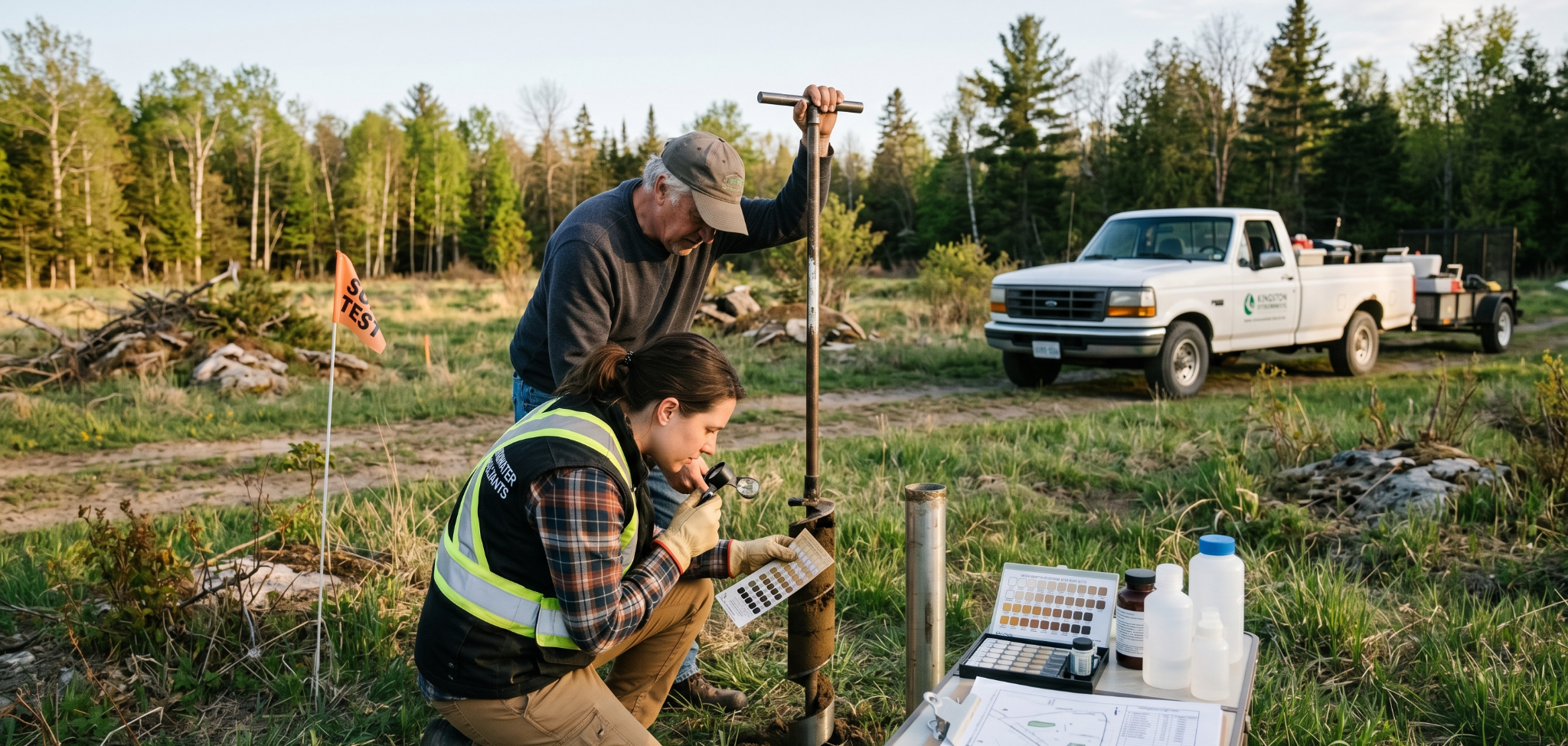
Every raised bed septic system project begins with a thorough site assessment before design or permitting can proceed. Qualified excavation professionals and system designers evaluate soil texture, permeability, seasonal water table depth, and proximity to wells, water courses, and property boundaries. Percolation testing or soil profile analysis determines whether the native soil can handle any portion of the treatment process. In some cases, full elevation is required.
The excavation site assessment process also considers surface topography and how grading will affect drainage around the raised bed. Contractors direct water away from the system perimeter to prevent saturation of the fill material. Slopes, drainage patterns, and proximity to structures all factor into the final design and placement of raised bed septic systems.
The Construction Process for Raised Bed Septic Systems
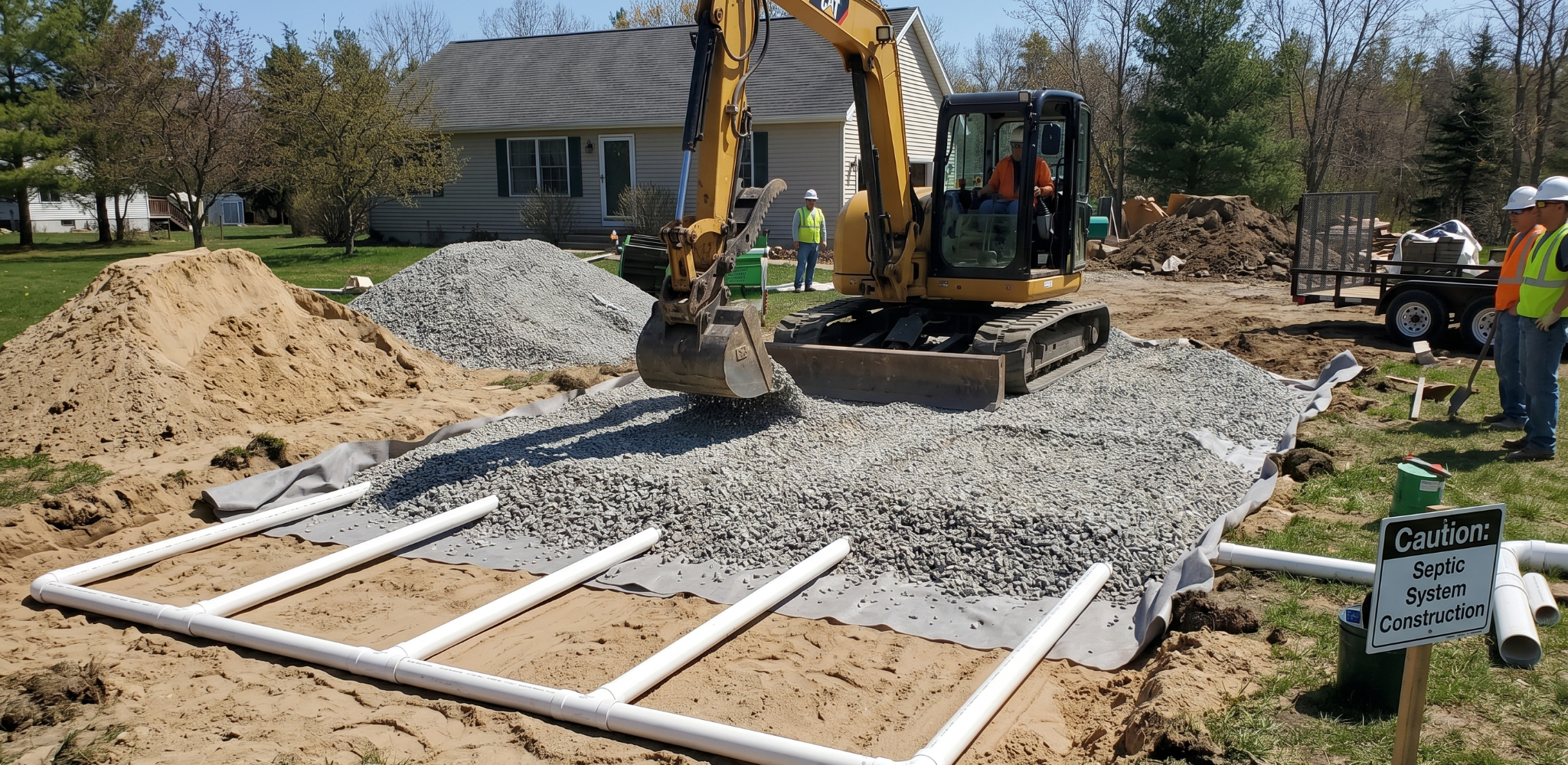
Installing raised bed septic systems involves more earthwork than conventional systems. This is due to the need to import and compact suitable fill material. Once permits are secured and the site is marked out, excavation of the existing topsoil typically precedes placement of the engineered fill. The native soil surface may be scarified to encourage bonding between layers, depending on design specifications.
Fill material must meet specific gradation and permeability standards outlined in the system design. Crews place sand or approved granular fill in lifts and compact it to the required density before installing distribution pipes. They then apply a protective cap of topsoil or cover material over the entire bed area, shaping it to encourage drainage. The overall footprint of raised bed septic systems tends to be larger than conventional systems. This is because the treatment medium must compensate for reduced native soil capacity.
Grading around the raised bed plays an essential role in long-term performance. Improperly sloped surroundings can channel runoff toward the bed, saturating the fill and reducing treatment capacity. Experienced contractors shape the surrounding landscape carefully, ensuring positive drainage while maintaining the integrity of the bed perimeter. Examples of this kind of thorough site preparation work are visible across a range of completed excavation and septic projects throughout the Kingston Ontario and surrounding areas.
Costs and Timelines for Raised Bed Septic Systems
Raised bed septic systems typically involve higher upfront costs than standard leaching bed systems. This is due to the volume of imported fill, the larger footprint, and the additional labour involved in constructing the raised structure. Permit fees, design fees, and inspection costs also contribute to the overall project budget. Property owners should obtain detailed estimates that reflect site-specific conditions rather than relying on generic pricing.
Construction timelines depend on site accessibility, fill material availability, permit timelines, and weather conditions. Spring and summer installations benefit from drier soil conditions and longer working days. Autumn installations on the other hand, must account for frost risk during final grading and cover placement. Working with a qualified excavation contractor helps ensure the project moves forward efficiently and avoids weather-related complications.
Maintenance Expectations for Raised Bed Septic Systems
Raised bed septic systems require just about the same fundamental maintenance practices as conventional systems. There are a few slight additional considerations specific to their above-grade construction. Regular septic tank pumping, typically every three to five years depending on household size and usage, remains the most important routine maintenance task. Solids that escape the tank can clog the distribution pipes and fill material. This results in reduced system performance and shortening its service life.
Homeowners with raised bed septic systems should monitor the surface of the bed for signs of saturation, effluent surfacing, or vegetation changes that might indicate distribution problems. Keeping vehicles and heavy equipment off the bed area prevents compaction of the fill material and damage to distribution pipes. The raised profile of these systems makes them somewhat more visible than conventional beds. This can actually help homeowners stay aware of surface conditions throughout the year.
Water conservation practices also support the long-term reliability of raised bed septic systems. Spreading laundry loads across several days, fixing leaking fixtures promptly, and avoiding the introduction of harmful chemicals into the drain system all protect bacterial activity within the treatment medium. Harsh cleaning products, medications, and excessive grease can disrupt the biological processes that raised bed septic systems depend on for effective treatment.
Long-Term Performance and Property Considerations
A properly designed and installed raised bed septic system can deliver decades of reliable service when it receives appropriate care. The fill material does not degrade under normal operating conditions, and the distribution components are designed for long service life. However, like all septic infrastructure, raised bed systems are not indefinitely self-maintaining. Periodic inspections, especially following extreme weather events or periods of heavy use, help identify emerging issues before they escalate.
For property buyers considering rural Ontario real estate, the presence of a raised bed septic system should prompt due diligence rather than concern. Verifying the age of the system, reviewing inspection records, confirming that the installation was permitted and completed to design specifications, and understanding the maintenance history all provide valuable insight into the condition and remaining service life of the system.
The services offered by experienced excavation contractors extend beyond initial installation to include system evaluation, remediation, and replacement planning. Working with professionals who understand Ontario’s regulatory environment and site-specific challenges ensures that raised bed septic systems continue to protect both the property and the surrounding natural environment.
Planning Ahead With Raised Bed Septic Systems
Raised bed septic systems represent a practical and regulated response to soil and site limitations that are common across Ontario. When conventional below-grade installation is not feasible, a properly designed raised bed system provides compliant, effective wastewater treatment that protects groundwater, neighbouring properties, and long-term land value. The key to a successful installation lies in thorough site assessment, careful design, quality materials, and experienced construction.
Property owners who approach raised bed septic systems with accurate expectations and a commitment to maintenance position themselves for success. Consulting with qualified professionals early in the planning process provides clarity on what a specific site requires. Raised bed septic systems, when handled correctly from planning through maintenance, deliver the reliable performance that Ontario homes and properties depend on.