
For rural and semi rural property owners across Ontario, septic systems play a critical role in daily living. Unlike municipal sewer connections, septic systems require thoughtful installation, ongoing care, and an understanding of how Ontario conditions affect performance over time. One of the most common questions homeowners ask is how long do septic systems last, especially when planning renovations, property purchases, or long term maintenance budgets.
The answer depends on several factors, including soil composition, system design, installation quality, climate exposure, and homeowner maintenance habits. Ontario’s freeze thaw cycles, clay heavy soils, and strict building regulations all influence system longevity. Understanding these factors can help property owners protect their investment and avoid costly failures.
This guide explains how long septic systems last in Ontario, what impacts their lifespan, and how proper excavation and site preparation contribute to reliable long term performance.
Average Lifespan of Septic Systems in Ontario
When properly designed and installed, most septic systems in Ontario last between 20 and 40 years. This range varies depending on the system components and site conditions. The septic tank itself often has a longer lifespan than the absorption or leaching bed, which is more directly affected by soil conditions and water usage.
Concrete septic tanks commonly last 30 to 40 years when installed correctly and maintained properly. Plastic and fibreglass tanks can also perform well, although they are more sensitive to installation quality and soil stability. Leaching beds typically last 20 to 30 years, though poor drainage, compacted soils, or excess groundwater can shorten that timeline significantly.
When homeowners ask the question of “how long do septic systems last?”, it is important to clarify that the system should be viewed as a combination of components rather than a single unit with one fixed lifespan.
Ontario Soil Conditions and Their Impact on Septic Longevity
Ontario’s diverse soil conditions play a major role in septic system performance. Many regions contain heavy clay soils that drain slowly and retain moisture. Poor drainage places additional strain on leaching beds, increasing the risk of premature failure.
In areas with sandy or loamy soils, septic systems often perform more efficiently due to improved drainage and filtration. However, even well draining soils can present challenges if groundwater levels are high or seasonal saturation occurs.
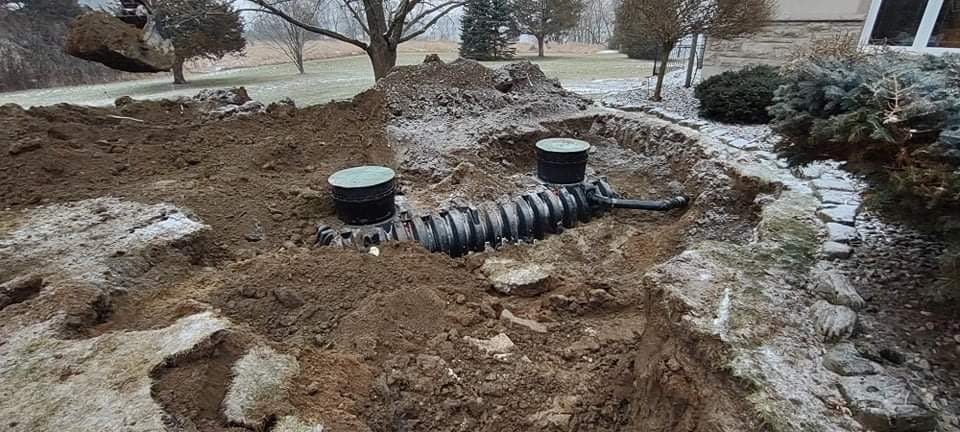
Professional excavation and site evaluation help determine the appropriate system design based on soil type. Proper grading, trench depth, and material selection all influence how long do septic systems last in Ontario environments where soil variability is common.
Climate and Seasonal Factors in Ontario
Ontario’s climate creates unique challenges for septic systems. Freeze thaw cycles place stress on buried components, particularly shallow pipes and distribution lines. Improper burial depth or insufficient insulation can lead to cracking, blockages, or shifting over time.
Spring snowmelt and heavy rainfall increase groundwater levels, which can overwhelm leaching beds if systems are undersized or poorly positioned. In winter, compacted snow or vehicle traffic over septic areas can reduce insulation and contribute to frost penetration.
These climate factors mean that understanding how long septic systems last requires considering year round environmental exposure, not just system age.
The Role of Proper Excavation and Installation
Excavation quality has a direct impact on septic system lifespan. Poor excavation practices can lead to uneven settling, compacted soils, and compromised drainage. Over time, these issues reduce system efficiency and increase the risk of failure.
Experienced excavation contractors understand how to prepare sites for long term stability. This includes maintaining proper slopes, preserving soil structure in the leaching area, and ensuring tanks and pipes are set at the correct depth.
M. Riddle Excavating’s experience with residential and rural projects ensures septic systems are installed with long term performance in mind. Their approach to site preparation reflects the realities of Ontario soil and climate conditions.
Ontario Regulations and Septic System Lifespan
Ontario septic systems are regulated under the Ontario Building Code, Part 8. These regulations govern system design, installation, setbacks, and inspections. Compliance with these standards helps protect public health and supports system longevity.
Permits are required for new installations and major system replacements. Inspections ensure proper soil evaluation, tank sizing, and leaching bed placement. Systems installed prior to modern code updates may not meet current standards, which can affect how long septic systems last compared to newer installations.
Homeowners can reference guidance from the Ontario Ministry of Municipal Affairs and Housing for detailed regulatory information related to private sewage systems. This external resource provides clarity on inspection requirements and system responsibilities.
Maintenance Habits That Affect System Longevity
Septic system maintenance plays a critical role in determining how long septic systems last. Even well designed systems can fail early if neglected. Regular pumping prevents solids from entering the leaching bed and clogging soil pores.
Water usage habits also matter. Excessive water flow from large households, leaking fixtures, or high demand appliances can overload systems and reduce treatment effectiveness. Spacing out water use and avoiding unnecessary strain supports long term performance.
Household waste choices affect system health as well. Flushing non biodegradable items or harsh chemicals disrupts bacterial activity and accelerates wear on system components.
Warning Signs of Aging or Failing Septic Systems
Understanding system age is important, but recognising warning signs is equally critical. Slow drains, sewage odours, wet areas near the leaching bed, and unusually green grass can indicate underlying problems.
In Ontario, seasonal changes often reveal system weaknesses. Spring thaw may expose drainage issues that remain hidden during drier months. Early detection allows for targeted repairs that may extend system life and delay full replacement.
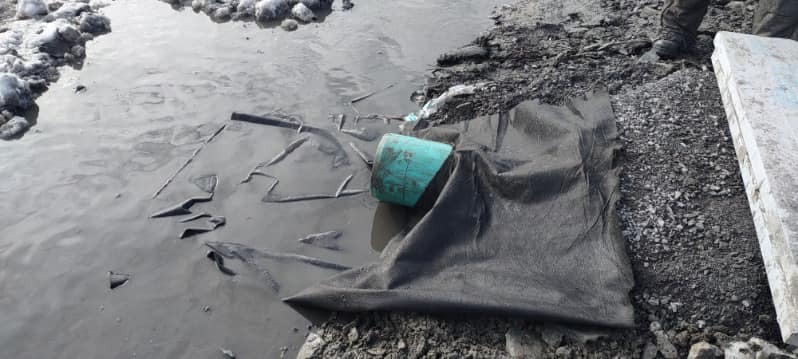
Reviewing completed septic related projects can help property owners understand what remediation or replacement involves.
Replacement Versus Repair Considerations
When systems approach the end of their functional lifespan, homeowners must decide whether repair or replacement makes sense. In some cases, replacing only the leaching bed may restore function if the tank remains structurally sound.
Older systems installed under outdated standards may benefit from full replacement to meet current code requirements. Modern designs often improve efficiency and reduce environmental impact.
Consulting with experienced excavation professionals ensures decisions are based on soil conditions, regulatory compliance, and long term property protection. Learning more about M. Riddle Excavating’s background and approach can be helpful for homeowners considering these options.
Planning Ahead for Long Term Performance
Understanding how long septic systems last allows homeowners to plan responsibly. Keeping records of installation dates, inspections, and maintenance supports informed decision making. Proactive planning reduces emergency repairs and unexpected disruptions.
Ontario property owners benefit from working with contractors familiar with local conditions, permitting requirements, and excavation best practices. When questions arise about system upgrades or site evaluations, professional guidance provides clarity and confidence.
Conclusion
So how long do septic systems last in Ontario? With proper installation, maintenance, and site preparation, many systems perform reliably for several decades. Soil composition, climate exposure, regulatory compliance, and homeowner habits all influence longevity.
Understanding these factors helps property owners protect their investment and avoid premature system failure. Professional excavation and thoughtful planning play a key role in extending system life under Ontario conditions.
For homeowners seeking expert advice or planning septic related work, contacting an experienced excavation contractor provides peace of mind and long term value. Inquiries can be made directly to the M.Riddle team to discuss site specific considerations and next steps.
Get a Free Septic Quote
Get a free quote today. Call M. Riddle Excavating at 613-545-7955 or request a free quote online. Learn more about our septic system replacement and installation work in Kingston and Frontenac County.